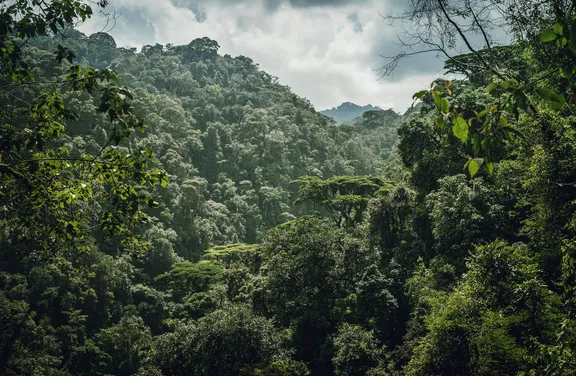


Batwa Storytelling in Bwindi
June 4, 2026
Elephant Tusk Ivory
June 4, 2026
Katwe Salt Crystallisation in Queen Elizabeth National Park
Katwe Salt Crystallisation is one of the most fascinating natural and cultural attractions in western Uganda. Located near the edge of Queen Elizabeth National Park, Lake Katwe has supported traditional salt mining for centuries. The lake continues to provide a livelihood for local communities while attracting tourists interested in learning about one of Africa’s oldest salt extraction practices.
One of the most remarkable features of Lake Katwe is the speed at which salt crystals form. Under favorable conditions, water collected from the lake can begin the crystallisation process and produce visible salt crystals within approximately 36 hours. This natural phenomenon has made Lake Katwe famous throughout Uganda and beyond. It demonstrates how nature and human ingenuity work together to produce an important mineral resource.
Visitors who explore Lake Katwe gain a unique opportunity to witness this traditional industry firsthand. They observe local miners at work, learn about the crystallisation process, and discover how generations of families have depended on salt production for their survival. The experience provides both educational and cultural value while offering insight into a practice that has remained largely unchanged for hundreds of years.
The salt mining industry at Katwe continues to play an important role in the local economy. It supports households, creates employment opportunities, and preserves traditional knowledge. At the same time, it offers visitors an authentic cultural experience that complements wildlife safaris in Queen Elizabeth National Park.
Understanding how salt crystallises at Lake Katwe helps visitors appreciate the scientific processes behind salt production as well as the hard work involved in harvesting this valuable resource. The story of Katwe Salt Crystallisation reflects the resilience, creativity, and determination of the local communities who continue to maintain this remarkable tradition.
The History of Salt Mining at Lake Katwe
The history of salt mining at Lake Katwe stretches back many centuries. Long before modern industrial methods emerged, local communities recognized the value of the lake’s highly saline water. People traveled from different regions to obtain salt, making Katwe an important trading center in East Africa.
Historical records and oral traditions suggest that salt from Lake Katwe played a major role in regional commerce. Traders exchanged salt for livestock, agricultural products, iron tools, and other goods. The mineral became an essential commodity because of its importance in food preservation, cooking, and animal nutrition.
The communities living around the lake developed specialized techniques for extracting and processing salt. These methods passed from one generation to another through practical experience and observation. Families learned how to identify suitable harvesting areas, manage evaporation ponds, and collect salt crystals efficiently.
Over time, Lake Katwe became more than just a source of income. It evolved into an important cultural landmark. Many local traditions, beliefs, and social activities developed around the salt mining industry. The lake helped shape the identity of the surrounding communities and continues to influence their way of life today.
Despite advances in modern technology, many miners still rely on traditional methods. This continuity preserves a valuable cultural heritage while allowing visitors to observe authentic salt harvesting practices. The techniques used today closely resemble those employed by previous generations.
The historical significance of Lake Katwe extends beyond the local community. It represents an important chapter in Uganda’s economic and cultural development. Visitors who explore the area gain a deeper appreciation of how natural resources have shaped human societies throughout history.
Today, tourism has added another dimension to the lake’s importance. Travelers visit to learn about salt production, interact with local miners, and experience a unique aspect of Uganda’s cultural heritage. This growing interest helps support both conservation and community development initiatives.
Understanding the Salt Crystallisation Process
The salt crystallisation process at Lake Katwe is both simple and fascinating. The lake contains highly concentrated saline water. This water holds large amounts of dissolved minerals, particularly salt. When miners collect the saline water and expose it to favorable environmental conditions, crystallisation begins.
The process starts when water enters specially prepared evaporation ponds. These ponds allow the water to spread across a larger surface area. Exposure to sunlight and heat accelerates evaporation. As water gradually disappears, the concentration of dissolved salt increases.
Eventually, the water reaches a saturation point. At this stage, the dissolved salt can no longer remain suspended in the remaining liquid. Salt particles begin to form and grow into visible crystals. Under optimal conditions, this transformation can occur within approximately 36 hours.
The rapid crystallisation process makes Lake Katwe unique. Several environmental factors contribute to this speed. Strong sunlight, warm temperatures, low rainfall, and high salinity levels create ideal conditions for crystal formation. These natural advantages allow local miners to harvest salt efficiently throughout much of the year.
Miners carefully monitor each stage of the process. They observe changes in water levels, crystal formation, and weather conditions. Their experience helps them determine the best time to harvest the crystals and maximize production.
The resulting salt appears as bright white crystals that accumulate within the evaporation ponds. Workers collect these crystals using simple tools before transporting them for further processing and distribution.
The crystallisation process demonstrates an impressive example of natural science in action. Visitors who witness the formation of salt crystals gain a practical understanding of evaporation, mineral concentration, and crystal growth. The experience combines education with cultural discovery, making it one of the highlights of a visit to Lake Katwe.
The Role of Local Communities in Salt Production
Local communities form the foundation of the salt industry at Lake Katwe. Hundreds of families depend on salt mining for income and employment. The industry supports households while preserving traditional skills that have developed over many generations.
Many miners begin learning the trade at an early age. Parents and relatives teach younger family members the techniques required for successful salt harvesting. This transfer of knowledge ensures the continuation of traditional practices and strengthens community identity.
The work requires dedication and resilience. Miners spend long hours managing evaporation ponds, monitoring crystal formation, and harvesting salt. They often work under intense sunlight and challenging environmental conditions. Despite these demands, the industry remains an important source of livelihood.
Women play a significant role in the salt production process. Many participate in harvesting, sorting, packaging, and marketing activities. Their contributions support household incomes and contribute to the overall success of the industry.
Community cooperation also helps maintain productivity. Miners often share knowledge, exchange advice, and assist one another during different stages of production. This collaborative approach strengthens social bonds and promotes economic stability.
Tourism has created additional opportunities for local residents. Visitors who tour the salt mines contribute to the local economy through entrance fees, guided experiences, and purchases of local products. These activities generate supplementary income and encourage cultural preservation.
The continued success of the salt industry depends on the knowledge and commitment of local communities. Their expertise allows visitors to witness an authentic and sustainable form of resource utilization that has endured for centuries.
Why Tourists Visit Katwe Salt Mines
The Katwe Salt Mines attract visitors for several reasons. First, the site offers a rare opportunity to observe traditional salt production in action. Many travelers find the crystallisation process fascinating because it demonstrates a natural phenomenon that remains essential to local livelihoods.
Visitors enjoy learning how salt forms from highly concentrated saline water. Watching crystals develop within a relatively short period provides a memorable educational experience. The process helps explain the science behind one of the world’s most commonly used minerals.
The cultural aspect of the experience adds significant value. Local guides and miners share stories about the history of the lake, the development of the industry, and the daily realities of salt harvesting. These personal accounts create meaningful connections between visitors and the community.
The location also enhances the experience. Lake Katwe lies near Queen Elizabeth National Park, one of Uganda’s premier wildlife destinations. Tourists can easily combine a visit to the salt mines with game drives, boat cruises, birdwatching, and wildlife viewing activities.
Photography enthusiasts appreciate the unique landscape. The colorful evaporation ponds, sparkling salt crystals, and busy mining activities create excellent opportunities for capturing distinctive images. The scenery differs greatly from traditional safari environments and provides an interesting contrast to nearby wildlife habitats.
Educational groups, researchers, and students frequently visit the area to study geology, chemistry, environmental science, and cultural heritage. The site serves as a living classroom where visitors can observe natural and human processes working together.
These diverse attractions make Katwe Salt Crystallisation one of the most unique tourism experiences in Uganda. The combination of science, culture, history, and community interaction creates lasting memories for visitors of all ages.
The Importance of Salt Crystallisation to the Local Economy
Salt crystallisation remains a major economic activity for communities surrounding Lake Katwe. The industry provides employment opportunities for miners, traders, transporters, and processors. Many households rely directly or indirectly on income generated through salt production.
The sale of salt contributes to local business development. Traders transport the mineral to markets across Uganda and neighboring countries. This distribution network creates additional economic opportunities and supports regional commerce.
Tourism further strengthens the economic impact of the industry. Visitors who participate in guided tours generate revenue for local guides, community organizations, and small businesses. The growing popularity of cultural tourism helps diversify income sources while preserving traditional practices.
Salt production also supports community development initiatives. Revenue generated through mining and tourism can contribute to education, healthcare, infrastructure, and social programs. These benefits improve living standards and create opportunities for future generations.
The continued success of the industry demonstrates how traditional knowledge can remain economically relevant in modern times. By combining cultural heritage with tourism, local communities create sustainable opportunities that support both economic growth and cultural preservation.
As interest in authentic travel experiences continues to grow, Katwe Salt Crystallisation is likely to remain an important attraction and source of income. The industry serves as a model for community-based tourism that benefits local residents while educating visitors about traditional resource management.
Conclusion
Katwe Salt Crystallisation in Queen Elizabeth National Park offers a remarkable glimpse into one of Uganda’s oldest and most fascinating industries. The process, in which highly saline water forms visible salt crystals within approximately 36 hours, demonstrates the power of natural forces and the skill of local communities.
Visitors gain valuable insights into traditional salt production, cultural heritage, and the science behind crystal formation. They witness firsthand how generations of miners have transformed natural resources into sustainable livelihoods while preserving important cultural traditions.
The experience goes beyond simple sightseeing. It provides education, cultural understanding, and meaningful interaction with local communities. Combined with the spectacular wildlife attractions of Queen Elizabeth National Park, a visit to Lake Katwe creates a well-rounded and unforgettable Ugandan safari experience.
At Adira Safaris Africa, we invite travelers to discover the fascinating world of Katwe Salt Crystallisation and experience one of Uganda’s most unique cultural and natural attractions. From the rapid formation of salt crystals to the rich history of traditional mining, Lake Katwe offers an extraordinary journey into the heart of Uganda’s living heritage.