Forest Spa Treatment in Bwindi National Park – Relaxation in the Heart of the Jungle
May 4, 2026
Kanyambura Chimp Canyon
May 5, 2026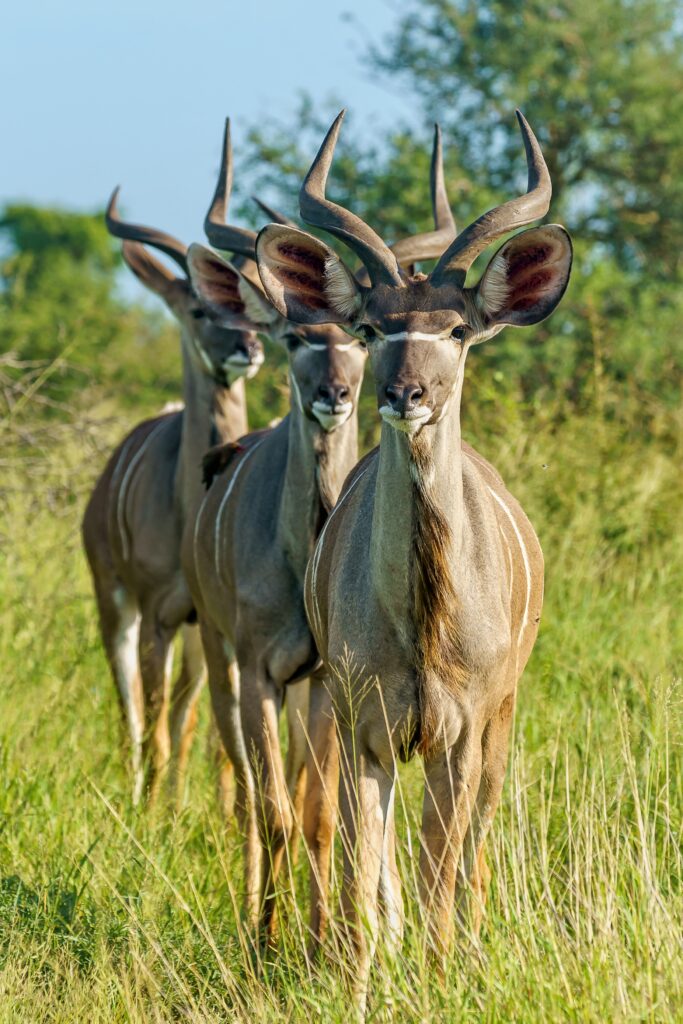
Kasenyi Plain Kobs
Kasenyi Plains, located in the northern sector of Queen Elizabeth National Park, is one of the best wildlife viewing areas in Uganda. This vast savannah landscape is famous for open grasslands, scenic horizons, and rich populations of animals. Among the many species found here, the Uganda kob stands out as one of the most interesting and iconic creatures in the country. Graceful, alert, and highly social, these antelopes are a key part of the Kasenyi ecosystem and a highlight on many Uganda safaris.
The Uganda kob is more than just another antelope. It is Uganda’s national animal and appears on the country’s coat of arms. Its beauty, speed, and strong presence in the wild make it a proud symbol of the nation’s natural heritage. In Kasenyi Plains, kobs move in impressive numbers across the grasslands, often seen grazing in groups or standing watch with raised heads and ears tuned to every sound.
Visitors who join game drives in Kasenyi quickly notice how central the kob is to the landscape. These animals support predator populations, shape grassland ecology, and create constant movement across the plains. Their behavior is also fascinating. Males defend territories, females gather in herds, and young calves learn to survive in a world shared with lions, hyenas, and leopards.
At Adira Safaris Africa, we encourage travelers to appreciate the smaller details of safari life, not only the large predators. Watching Uganda kobs in Kasenyi reveals the balance of the savannah and the quiet drama of nature. Their elegance and social structure make them one of the most rewarding species to observe.
For anyone planning a safari in Uganda, Kasenyi Plain kobs offer beauty, action, and a true connection to the wild landscapes of Queen Elizabeth National Park.
What Makes Uganda Kobs So Interesting?
Uganda kobs are among the most fascinating antelopes in East Africa. They combine beauty, intelligence, speed, and complex social behavior. While many visitors first notice their elegant appearance, it is their lifestyle that makes them truly interesting.
Male Uganda kobs are easy to recognize because they carry lyre-shaped horns that curve backward and upward. Their coats are rich golden-brown with lighter underparts and white markings around the throat and eyes. Females are smaller and do not have horns. Both males and females move with smooth, graceful strides that make them attractive subjects for wildlife photography.
One of the most interesting features of the kob is its territorial behavior. Mature males often claim small display areas known as leks. Here, they compete for status and attempt to attract females. These lek systems create a natural arena where dominance, strength, and mating success unfold in full view on the plains.
Uganda kobs are also highly alert animals. Their survival depends on sharp hearing, strong eyesight, and quick reactions. When danger appears, one startled kob can trigger a chain response that sends an entire herd sprinting across the grassland.
They are social creatures that often gather in groups. Females and young animals may remain together for safety, while males patrol nearby territories. This creates constant movement and interaction that keeps the plains lively throughout the day.
Another reason kobs are important is their ecological role. They are one of the main prey species for lions in Queen Elizabeth National Park. Where kobs gather, predators often follow. This means that watching kob behavior can sometimes help guides locate carnivores.
At Adira Safaris Africa, we often tell guests that kobs are not background animals. They are stars of the savannah in their own right. Their behavior, beauty, and importance make them one of Uganda’s most captivating wildlife species.
Why Kasenyi Plains Is the Best Place to See Uganda Kobs
Kasenyi Plains is widely regarded as one of the best places in Uganda to observe Uganda kobs in large numbers. The open grasslands provide ideal habitat with abundant grazing, clear visibility, and enough space for herd movement and breeding territories.
The plains stretch across broad sections of Queen Elizabeth National Park. Seasonal grasses, water sources, and scattered shrubs create the perfect environment for grazing antelopes. Uganda kobs thrive here because food is often available and predators, while present, can be detected from a distance.
This open setting benefits safari visitors as well. Unlike thick bush areas, Kasenyi offers wide views that make it easier to spot wildlife. Herds of kobs can be seen feeding, resting, or moving across the plains, often against beautiful sunrise or sunset backdrops.
Kasenyi is also known for its high predator activity. Lions regularly hunt in the area because kob numbers are strong. This creates one of the most exciting wildlife spectacles in Uganda. Travelers may watch kobs grazing peacefully one moment and reacting instantly to a stalking lion the next.
Morning game drives are especially rewarding. Cooler temperatures bring active movement, and soft golden light makes the scenery beautiful for photography. Evening drives also offer excellent sightings as wildlife prepares for the night.
Because Kasenyi lies within a larger protected ecosystem, visitors can combine kob viewing with sightings of elephants, buffaloes, warthogs, hyenas, and many bird species. This diversity makes every drive unpredictable and exciting.
At Adira Safaris Africa, we recommend Kasenyi Plains for first-time safari travelers, photographers, and wildlife lovers who want classic African savannah scenes. Few places in Uganda showcase the Uganda kob as impressively as Kasenyi.
Behavior of Uganda Kobs on the Plains
Watching Uganda kobs in Kasenyi becomes even more rewarding when you understand their behavior. These animals live active and organized lives shaped by survival, breeding, and group safety.
Most of the day, kobs spend time grazing. They feed mainly on grasses and prefer fresh growth when available. Early morning and late afternoon are common feeding periods because temperatures are cooler. During hotter hours, they may rest or stand in shaded areas.
Females usually move in loose herds with young animals. Living together increases protection because many eyes can detect danger. Calves stay close to mothers and learn herd movement patterns early.
Adult males behave differently. Many establish territories, especially during breeding periods. They defend these areas through displays, posture, and sometimes short chases. Rather than long fights, much of their competition depends on strength signals and persistence.
Kobs communicate through posture, scent, movement, and alarm behavior. If one animal senses danger, it may freeze, stare, or suddenly leap away. Others quickly copy the reaction. Within seconds, an entire group may sprint together.
Their running style is striking. Uganda kobs move fast with smooth, bounding leaps that help them escape predators. This athletic movement is one reason they are so admired.
During rutting periods, the plains become even more dynamic. Males display more often, females move through territories, and social interactions increase.
At Adira Safaris Africa, we advise guests to spend time simply watching kob herds, not rushing to the next sighting. The more you observe, the more you notice. Kasenyi’s kobs reveal constant stories of leadership, caution, courtship, and survival.
Uganda Kobs and Predators in Kasenyi Plains
One of the most dramatic reasons Uganda kobs are so important in Kasenyi is their relationship with predators. They are a major food source for lions and also attract leopards, hyenas, and sometimes large pythons or other opportunistic hunters.
Lions in Queen Elizabeth National Park often patrol Kasenyi because prey is reliable. Kob herds provide regular hunting opportunities, especially where grass height offers cover. Guides often scan kob groups carefully because nervous or clustered behavior may signal a predator nearby.
Kobs survive through awareness and teamwork. Their senses are sharp, and herd behavior increases early warning chances. When lions approach, kobs may stampede in different directions to confuse attackers.
Young, weak, or isolated animals face the greatest risk. Healthy adults depend on speed and quick turning ability to escape.
This predator-prey relationship is essential to ecosystem balance. Lions need prey to survive. Kobs need predators to keep herds healthy through natural selection and movement patterns. Together they shape the savannah.
For safari visitors, this relationship creates some of Uganda’s most exciting wildlife moments. A calm herd suddenly becoming alert can turn into an unforgettable scene of tension and movement.
Adira Safaris Africa always promotes respectful wildlife viewing. Nature follows its own rules, and these interactions are part of a healthy protected ecosystem.
Best Time to See Kasenyi Plain Kobs
Uganda kobs can be seen throughout the year in Kasenyi Plains, but some months offer easier viewing and better road conditions. Dry seasons usually run from June to August and December to February. These months often provide shorter grass, clearer tracks, and easier game drives.
Wet seasons bring greener landscapes and excellent photography backgrounds. Fresh grass also attracts grazing animals. However, some roads may become muddy after heavy rains.
Morning game drives are usually best. Wildlife is active, temperatures are cool, and the light is excellent for photos. Evening drives can also be productive.
At Adira Safaris Africa, we tailor safari timing based on your interests. If you prefer predator action, photography, or quieter travel periods, we can recommend the ideal season.
Photography Tips for Kasenyi Kobs
Uganda kobs are excellent photography subjects because of their color, shape, and open habitat. Use early morning or late afternoon light for warm tones and softer shadows. Focus on eye level shots when possible for stronger impact.
Capture behavior, not only portraits. A male defending territory, a herd running, or a mother with calf often tells a richer story. Use continuous shooting mode during movement scenes.
The plains also allow wide landscape compositions. Include sky, grassland, or distant acacia trees to show habitat context.
Patience matters. Spend time with one herd and wait for interactions.
Adira Safaris Africa guides know productive photography zones and help position vehicles responsibly for the best angles.
Plan Your Kasenyi Safari with Adira Safaris Africa
Kasenyi Plain kobs are among the most interesting creatures in Uganda because they combine elegance, intelligence, and ecological importance. They define the open plains of Queen Elizabeth National Park and bring life to every game drive.
Whether you want classic savannah scenery, predator encounters, wildlife photography, or a deeper understanding of Uganda’s natural heritage, Kasenyi delivers an unforgettable experience.
At Adira Safaris Africa, we design professional safari itineraries that include Kasenyi game drives, Kazinga Channel boat cruises, Ishasha tree-climbing lions, Bwindi gorillas, Kibale chimpanzees, and more. We arrange transport, expert guides, quality lodges, and seamless travel planning.
Choose Adira Safaris Africa and discover why Kasenyi Plain kobs are one of the most remarkable wildlife experiences in Uganda. Let us guide you through the golden grasslands where the national antelope moves with grace across one of Africa’s finest safari landscapes.