

Lion Tracking Collars in Queen Elizabeth National Park
April 30, 2026
Buligi Cobra Density in Murchison Falls National Park
May 1, 2026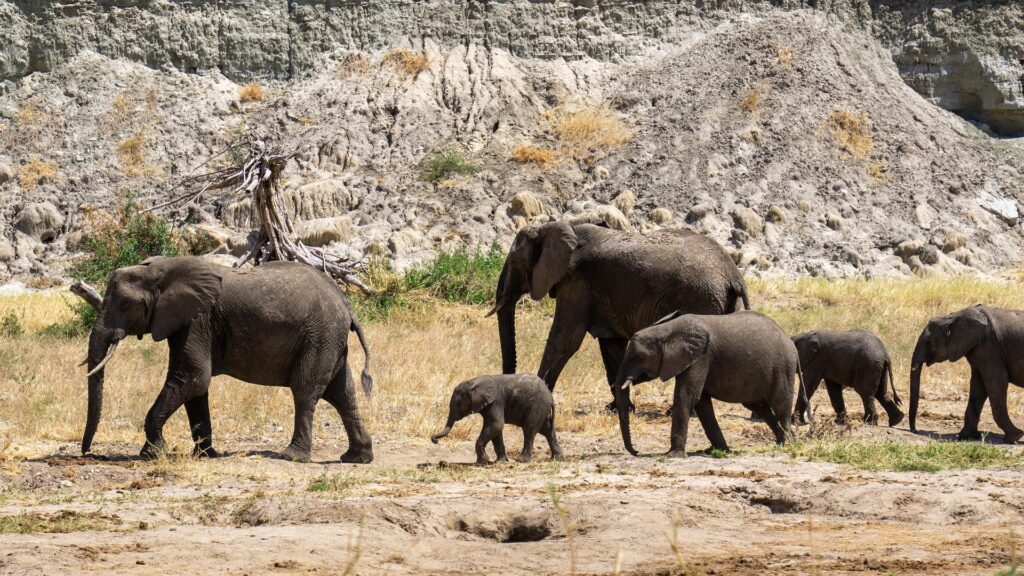
Bwindi Elephant Trail
The Bwindi Elephant Trail offers one of the most unique and immersive hiking experiences in Bwindi Impenetrable National Park. This ancient forest stands among the oldest ecosystems in Africa. It supports rich biodiversity and dense vegetation. The trail follows natural paths that forest elephants once used as they moved through the jungle. Today, it provides visitors with a rare chance to explore the forest on foot while learning about its ecological history.
The trail connects Buhoma to Nkuringo. It cuts through thick forest, steep ridges, and scenic valleys. Hikers enjoy panoramic views of the forest canopy and distant hills. The journey takes several hours and requires moderate to high fitness levels. Along the way, guides interpret signs of wildlife activity. These include dung, footprints, and feeding marks left behind by elephants and other animals.
Despite its name, visitors will not see elephants along this trail today. This often raises questions among travelers. Many expect encounters with forest elephants, yet the reality differs. Authorities no longer allow elephants to roam freely in this section of the park. This decision did not happen randomly. It came after careful study and years of experience managing both wildlife and tourism in Bwindi.
Understanding why elephants are absent from their former trail adds depth to the experience. It also highlights the delicate balance between conservation and tourism. This story reflects the evolving nature of wildlife management in one of Africa’s most important protected areas.
The Historical Presence of Elephants in Bwindi
Forest elephants once moved freely throughout Bwindi Impenetrable National Park. These elephants differed from the larger savannah elephants found in open plains. They were smaller in size and adapted to life in dense forest. Their movements shaped the landscape. They opened pathways, spread seeds, and influenced vegetation patterns.
The Elephant Trail itself formed as a result of repeated elephant movements. Over time, these animals created clear paths through thick vegetation. Local communities and early explorers later used these same routes. Eventually, conservation authorities formalized them into hiking trails for tourism.
Elephants played a key ecological role in Bwindi. They helped maintain forest diversity. By feeding on plants and dispersing seeds, they supported regeneration. Their presence created natural clearings that allowed sunlight to reach the forest floor. This encouraged the growth of different plant species.
However, as tourism developed, interactions between humans and elephants increased. These encounters were not always safe. Forest elephants can be unpredictable, especially when surprised in dense vegetation. Unlike savannah elephants, visibility in Bwindi remains very limited. This makes it difficult to detect animals from a distance.
Over time, these risks prompted a closer look at how elephants and tourism could coexist. Authorities had to weigh the benefits of wildlife viewing against the safety of visitors. This led to significant changes in how the Elephant Trail operates today.
Why Elephants Are Banned from the Trail
The absence of elephants along the Bwindi Elephant Trail results from deliberate conservation and safety measures. The Uganda Wildlife Authority made this decision after assessing risks and long-term sustainability.
The primary reason involves visitor safety. Bwindi’s dense vegetation limits visibility. Hikers often move through narrow paths with thick undergrowth on both sides. In such conditions, encountering an elephant at close range becomes dangerous. Elephants may feel threatened and react aggressively. This creates a high risk of injury or worse.
Another factor involves the increasing number of tourists visiting Bwindi. Gorilla trekking attracts thousands of visitors each year. Many extend their experience by hiking trails like the Elephant Trail. As foot traffic increased, the likelihood of human-elephant encounters also rose. Managing these interactions became more complex.
Authorities also considered the stress on elephants. Frequent human presence disrupts natural behavior. Elephants may change their movement patterns or avoid certain areas altogether. This affects their feeding and breeding habits. Over time, such disruptions can harm the population.
To address these concerns, conservation teams redirected elephant movements away from heavily used trails. Rangers monitor elephant activity and guide them toward less disturbed areas of the forest. This approach protects both wildlife and visitors.
The decision to restrict elephants from the trail reflects a broader conservation strategy. It prioritizes safety while ensuring the long-term survival of forest elephants. It also allows tourism to continue in a controlled and responsible manner.
The Role of Conservation in Bwindi
Conservation efforts in Bwindi Impenetrable National Park extend far beyond protecting a single species. The park holds global importance as a biodiversity hotspot. It is home to nearly half of the world’s remaining mountain gorillas. It also supports hundreds of bird species, mammals, and plant varieties.
Managing such a complex ecosystem requires careful planning. Authorities must balance tourism, wildlife protection, and community interests. The decision to limit elephant presence along the trail forms part of this broader strategy.
Conservation teams monitor wildlife movements using tracking methods and ranger patrols. They gather data on animal behavior and habitat use. This information guides decisions about where to allow tourism activities. It also helps identify areas that need stricter protection.
Education plays a key role as well. Guides explain conservation policies to visitors. They help tourists understand why certain restrictions exist. This creates awareness and encourages responsible travel behavior.
Local communities also benefit from conservation efforts. Tourism generates income and creates jobs. Many community members work as guides, porters, and lodge staff. This builds support for protecting the forest and its wildlife.
The Elephant Trail stands as a clear example of adaptive conservation. Authorities adjusted management practices based on changing conditions. They responded to safety concerns and ecological needs. This flexible approach ensures that Bwindi remains protected for future generations.
What Visitors Experience on the Elephant Trail Today
Although elephants no longer roam the trail, the Bwindi Elephant Trail still offers an exceptional experience. The absence of large wildlife actually enhances the safety and comfort of hikers. Visitors can focus on the forest environment without constant concern about dangerous encounters.
The trail showcases the beauty of Bwindi’s landscape. Hikers pass through thick rainforest, bamboo zones, and open ridges. Each section reveals a different aspect of the ecosystem. The sounds of birds and insects create a constant natural soundtrack.
Guides enrich the journey with detailed explanations. They point out plant species, animal signs, and historical features. Visitors learn how elephants once used the trail. They also gain insight into current conservation practices.
The hike challenges participants physically. Steep climbs and descents require stamina. However, the effort rewards hikers with stunning views. From higher points, the forest stretches endlessly across rolling hills.
Birdwatchers find the trail especially rewarding. Bwindi hosts many endemic species. The quiet environment increases chances of spotting rare birds. Small mammals and primates may also appear along the way.
The experience feels authentic and immersive. It allows visitors to connect deeply with nature. Even without elephants, the trail remains one of Bwindi’s most memorable activities.
Balancing Tourism and Wildlife Protection
The story of the Bwindi Elephant Trail highlights a key challenge in modern conservation. Tourism provides essential funding for protected areas. At the same time, it introduces risks to wildlife and ecosystems.
The Uganda Wildlife Authority continues to refine its approach. It sets guidelines for visitor behavior and limits access where necessary. Rangers enforce rules and ensure compliance.
Controlled tourism reduces environmental impact. It prevents overcrowding and minimizes disturbance to wildlife. It also enhances the visitor experience by maintaining a sense of exclusivity and tranquility.
The removal of elephants from the trail reflects this careful balance. Authorities did not eliminate elephants from the park. Instead, they redirected them to safer zones. This allows elephants to thrive while keeping tourists out of harm’s way.
Such decisions require ongoing evaluation. Conservation teams regularly review policies and adapt as conditions change. This dynamic approach ensures that both tourism and wildlife protection remain sustainable.
Conclusion: Understanding the Bwindi Elephant Trail
The Bwindi Elephant Trail tells a story of change, adaptation, and responsible conservation. It began as a path shaped by forest elephants. Today, it serves as a safe and enriching hiking route for visitors exploring Bwindi Impenetrable National Park.
The absence of elephants may seem surprising at first. However, it reflects a thoughtful decision made by the Uganda Wildlife Authority. This choice prioritizes safety while protecting the natural behavior of wildlife.
Visitors who understand this context gain a deeper appreciation of the trail. They see it not just as a hiking route, but as part of a larger conservation effort. The experience becomes more meaningful and educational.
Bwindi remains one of Africa’s most remarkable destinations. Its dense forests, rich biodiversity, and unique activities attract travelers from around the world. The Elephant Trail adds another dimension to this experience.
Adira Safaris Africa invites you to explore Bwindi with knowledge and respect. Every step along the trail connects you to nature, history, and conservation. Even without elephants, the journey offers lasting memories and valuable insights into the delicate balance of life in the wild