Explosion Crater Drive: The Overlooked 27km Safari Loop in Western Uganda
April 27, 2026
Night Sound Tours: Recording Gorilla Screams in the African Wilderness
April 27, 2026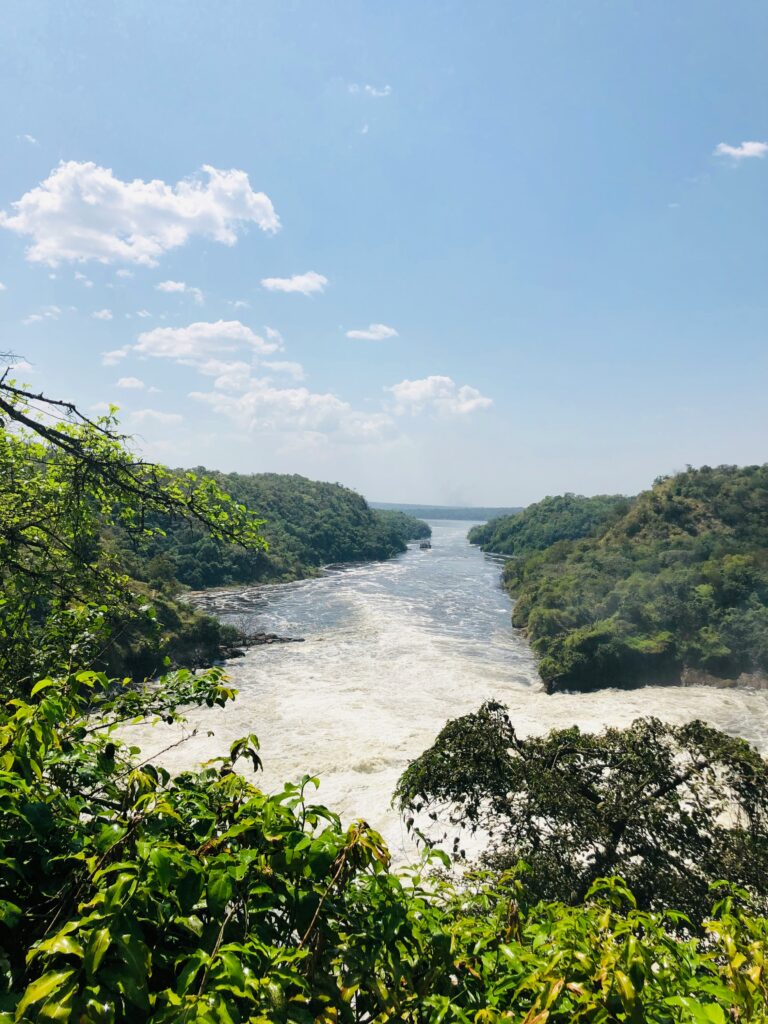
Chobe Crocodile Farm in Murchison Falls National Park: Breeding Nile Crocodiles in the Wild
The Chobe sector of Murchison Falls National Park offers one of the most fascinating reptile experiences in Uganda. Known for its rich wildlife and powerful river systems, this area also supports large populations of the Nile crocodile. The concept often referred to as the “Chobe Crocodile Farm” does not represent a traditional enclosed farm. Instead, it describes a natural breeding environment within the park where Nile crocodiles thrive and reproduce in large numbers.
This unique setting allows visitors to witness crocodiles in their natural habitat rather than in captivity. The breeding activity takes place along the banks of the Nile within the park. The environment provides ideal conditions for nesting, incubation, and survival of young crocodiles.
Unlike commercial farms, this natural “farm” depends entirely on ecological balance. It functions without artificial feeding or confinement. The crocodiles follow their natural life cycle, guided by seasonal changes and environmental factors.
Visitors who explore the Chobe area gain insight into one of Africa’s most powerful predators. They also learn how conservation efforts protect these reptiles within a national park setting. This experience combines education, adventure, and wildlife observation in a truly authentic way.
The Location and Setting of Chobe Sector
The Chobe sector lies in the northern part of Murchison Falls National Park. This area stretches along the Nile River, where calm waters and wide banks create ideal conditions for crocodiles. The river flows gently in this section compared to the dramatic rapids near Murchison Falls. This calmer environment supports breeding and nesting activities.
The landscape around Chobe features riverine vegetation, sandy banks, and open grasslands. These elements provide both shelter and nesting grounds for crocodiles. The sandy banks play a crucial role. Female crocodiles use them to lay eggs and protect their nests.
The warm climate of the region supports reptile survival. Crocodiles rely on external heat sources to regulate their body temperature. The sunny riverbanks allow them to bask and maintain optimal conditions for activity.
Water availability also remains constant throughout the year. The Nile provides a steady source of water and food. Fish populations and other aquatic life support the crocodiles’ diet.
This combination of factors makes the Chobe sector one of the best locations for observing Nile crocodiles in Uganda. It offers a natural environment that supports both adult crocodiles and their young.
Understanding Nile Crocodile Breeding
The Nile crocodile follows a well-defined breeding cycle that aligns with seasonal changes. In the Chobe sector, this process takes place entirely within the natural environment of Murchison Falls National Park.
Breeding begins with courtship behavior. Male crocodiles establish territories along the river. They attract females through vocalizations and physical displays. These interactions often occur during specific times of the year when conditions favor reproduction.
Once mating occurs, the female searches for a suitable nesting site. She chooses sandy or soft soil near the riverbank. Using her hind legs, she digs a hole where she lays her eggs. A single clutch can contain dozens of eggs.
After laying the eggs, the female covers them with sand and vegetation. This layer protects the eggs and helps regulate temperature. The incubation period depends on environmental conditions such as heat and moisture.
Temperature plays a key role in determining the sex of the hatchlings. Warmer conditions may produce more males, while cooler conditions may result in more females. This natural process ensures balance within the population.
When the eggs hatch, the mother assists the young by digging them out of the nest. She may carry them gently in her mouth to the water. This level of parental care increases the chances of survival for the hatchlings.
Why the Chobe Area Supports Crocodile Breeding
The success of crocodile breeding in the Chobe sector results from a combination of environmental factors. The calm waters of the Nile provide a safe space for both adults and young crocodiles. Unlike fast-flowing sections, this area allows easier movement and hunting.
The presence of sandy riverbanks offers ideal nesting grounds. These areas remain warm and stable, which supports egg incubation. Vegetation near the banks also provides cover and protection.
Food availability plays a major role. The Nile supports a wide range of fish and other prey. This abundance ensures that crocodiles have enough resources to sustain themselves and their offspring.
Limited human disturbance within Murchison Falls National Park further enhances breeding success. Protection laws prevent hunting and habitat destruction. This allows crocodile populations to grow naturally.
The ecosystem also supports other wildlife. Birds, fish, and mammals interact within the same environment. These interactions create a balanced system that benefits crocodiles and other species.
Visitor Experience at Chobe Crocodile Sites
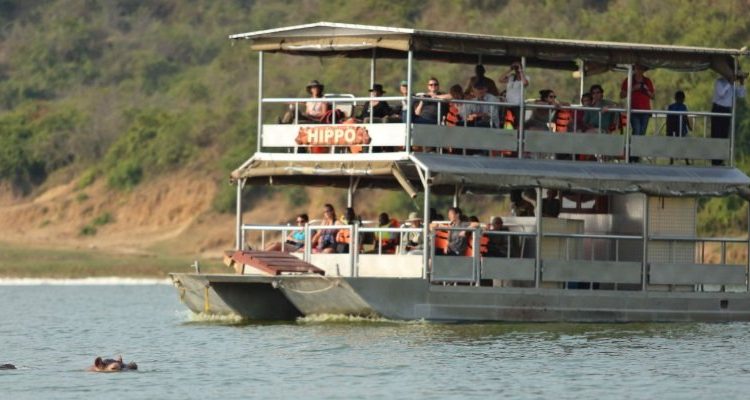
Visitors exploring the Chobe sector often encounter crocodiles during boat safaris along the Nile. These guided trips provide safe and close-up views of the reptiles. Tourists observe crocodiles basking on riverbanks or gliding through the water.
The experience offers both excitement and education. Guides explain crocodile behavior, breeding patterns, and ecological roles. This information enhances understanding and appreciation of these animals.
Photography remains a popular activity. The sight of large crocodiles resting in the sun creates striking images. Visitors also capture moments of interaction between crocodiles and their environment.
Observing nesting sites may be possible during certain seasons. However, guides ensure that visitors maintain a safe distance. This protects both the animals and the tourists.
The experience does not involve direct interaction with crocodiles. Safety remains a priority at all times. Visitors enjoy the spectacle from boats or designated viewing areas.
This natural “farm” setting provides a more authentic experience than visiting a traditional crocodile farm. It allows tourists to see the full life cycle of crocodiles in the wild.
Safety Considerations Around Crocodiles
The Nile crocodile ranks among Africa’s most dangerous predators. Visitors must follow strict safety guidelines when exploring areas where crocodiles live.
Always stay within designated areas and follow instructions from guides. Avoid approaching riverbanks on foot, especially in areas known for crocodile activity. These animals can move quickly both in water and on land.
Boat safaris provide the safest way to observe crocodiles. Boats maintain a controlled distance while allowing clear views. Sudden movements or attempts to attract crocodiles should be avoided.
Swimming in the Nile within the park remains strictly prohibited. Crocodiles use these waters as hunting grounds. Respecting this rule ensures safety for all visitors.
Understanding crocodile behavior helps reduce risk. These reptiles rely on stealth and surprise. Maintaining distance and awareness prevents dangerous encounters.
Conservation and Ecological Importance
Crocodiles play a vital role in maintaining the health of river ecosystems. As apex predators, they help regulate fish populations and remove weak or sick animals. This contributes to ecological balance within Murchison Falls National Park.
The breeding success in the Chobe sector supports long-term population stability. Protected areas ensure that crocodiles can reproduce without interference. This protection remains essential for conservation.
Tourism also contributes to conservation efforts. Revenue from park visits supports wildlife management and anti-poaching initiatives. It also benefits local communities through employment and development projects.
Education forms another key aspect of conservation. Visitors who learn about crocodiles often develop greater respect for these animals. This awareness helps reduce fear and promotes coexistence.
Why Chobe Crocodile Breeding Stands Out
The natural breeding environment in the Chobe sector stands out because it offers a rare opportunity to observe crocodiles in their full life cycle. Unlike artificial farms, this setting reflects true wilderness conditions.
The combination of calm river waters, sandy banks, and abundant food creates an ideal habitat. This environment supports one of the most stable crocodile populations in Uganda.
For travelers, the experience provides both thrill and insight. It highlights the importance of protecting natural habitats and understanding wildlife behavior.
The Chobe sector remains one of the most rewarding areas within Murchison Falls National Park. It offers a unique perspective on one of Africa’s most iconic reptiles.
Conclusion
The Chobe crocodile “farm” within Murchison Falls National Park represents a natural breeding ground for the Nile crocodile. It showcases how wildlife can thrive in protected environments without human interference.
Visitors gain a deeper understanding of crocodile behavior, reproduction, and ecological importance. The experience combines adventure with education, making it a highlight of any safari.
Adira Safaris Africa invites travelers to explore this remarkable destination. The journey offers a chance to witness one of nature’s most powerful predators in its natural habitat. It also emphasizes the value of conservation and responsible tourism.