
Birdwatching in Semuliki National Park
April 16, 2026
Kanangorok Hot Springs in Kidepo Valley National Park
April 17, 2026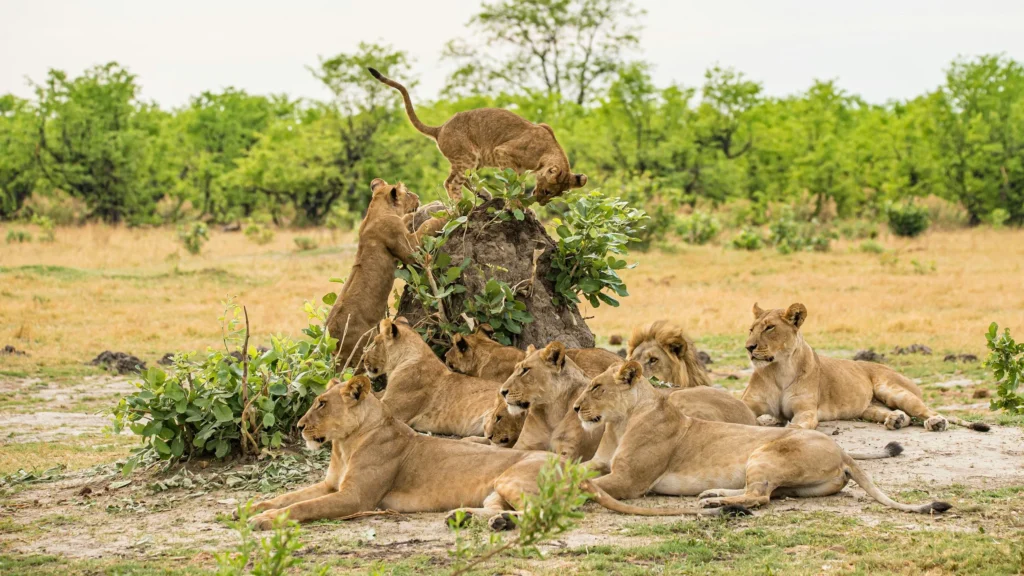
Tree Climbing Lions in Queen Elizabeth National Park
Queen Elizabeth National Park stands as one of the most remarkable wildlife destinations in East Africa. The park lies in western Uganda. It stretches across vast savannah plains, wetlands, crater lakes, and dense forests. This diversity of habitats supports a wide range of wildlife species. Visitors often rank the park among the best safari destinations in the region.
The park covers over 1,900 square kilometers. It connects with Virunga National Park to form a rich transboundary ecosystem. This ecosystem supports large mammals, birds, reptiles, and unique plant life. Travelers enjoy game drives, boat cruises, bird watching, and nature walks.
However, one attraction stands above the rest. The tree climbing lions draw global attention. These lions behave in a way that sets them apart from most lion populations in Africa. They climb and rest in trees. This rare habit fascinates researchers and travelers alike.
Visitors who explore the Ishasha sector of the park often hope to witness this unusual behavior. The sight of a large lion resting on a tree branch leaves a lasting impression. It offers a unique safari experience that few destinations can match. For this reason, Queen Elizabeth National Park remains a top choice for travelers seeking both classic wildlife encounters and rare natural wonders.
The Unique Tree Climbing Lions
The tree climbing lions of Queen Elizabeth National Park form one of the park’s most iconic features. These lions show a rare behavior that sets them apart from other lion populations across Africa. While most lions prefer to stay on the ground, these lions often climb fig and acacia trees.
This behavior remains uncommon. Only a few places in Africa report similar sightings. These include parts of Lake Manyara National Park. However, the consistency of sightings in Queen Elizabeth makes it a leading destination for this phenomenon.
Several theories attempt to explain this behavior. Some experts believe the lions climb trees to escape ground heat. Others suggest they avoid biting insects like tsetse flies. Climbing may also provide a better vantage point to spot prey. The trees offer shade, safety, and comfort during the hot hours of the day.
Visitors often see lions stretched across branches. Some lie lazily, while others balance with surprising ease. Cubs learn this behavior from adults, which shows that it has become part of their local adaptation.
This unique habit adds excitement to every game drive. Tourists scan tree branches as carefully as they scan the grasslands. The experience feels different from traditional safaris. It turns every sighting into a memorable moment.
For photographers, tree climbing lions offer rare and dramatic shots. The contrast between a powerful predator and a delicate tree branch creates stunning images. This makes the Ishasha sector one of the most photographed areas in Uganda.
The Ishasha Sector: Home of Tree Climbing Lions
The Ishasha sector lies in the southern part of Queen Elizabeth National Park. It forms the main habitat for the tree climbing lions. This remote area offers a quieter and more exclusive safari experience.
Ishasha features open savannah landscapes dotted with fig trees. These trees provide ideal resting spots for lions. The wide spacing between trees makes it easier for visitors to spot lions from a distance.
Game drives in Ishasha focus heavily on locating lions in trees. Guides often rely on experience and recent sightings to track them. Visitors may drive slowly through the plains while scanning the branches above.
The sector also supports other wildlife species. Travelers may see elephants, buffaloes, antelopes, and topis. The Ishasha River adds life to the ecosystem. It attracts animals and birds throughout the year.
Unlike busier areas of the park, Ishasha offers a peaceful atmosphere. Fewer vehicles mean less disturbance for wildlife. Visitors enjoy a more intimate and authentic safari experience.
Accommodation options in Ishasha range from mid-range lodges to luxury camps. Many lodges sit close to prime wildlife areas. This allows guests to start game drives early and increase their chances of seeing the lions.
A visit to Ishasha remains incomplete without spotting at least one lion in a tree. This rare encounter defines the experience. It creates stories that travelers share long after their journey ends.
Wildlife Diversity in Queen Elizabeth National Park
Queen Elizabeth National Park supports one of the richest ecosystems in Uganda. The park hosts over 95 mammal species. It also records more than 600 bird species. This makes it a paradise for wildlife lovers and bird watchers.
The park’s varied habitats support this diversity. Savannah plains host large herbivores such as elephants, buffaloes, and antelopes. Forest areas shelter primates, including chimpanzees. Wetlands and lakes attract birds and aquatic life.
Predators thrive in this ecosystem. Lions dominate the savannah, while leopards move stealthily through the landscape. Hyenas also play a key role in the food chain. Each predator contributes to the balance of the ecosystem.
The Kazinga Channel forms another highlight. This natural waterway connects Lake Edward and Lake George. It attracts large numbers of animals, especially during the dry season. Boat cruises along the channel offer close views of hippos, crocodiles, and birds.
Bird lovers find the park especially rewarding. Species range from water birds to forest dwellers. The diversity supports both amateur and professional bird watchers.
This rich wildlife variety enhances the appeal of the tree climbing lions. Visitors enjoy more than one attraction. They experience a complete safari that combines rare sightings with classic African wildlife encounters.
Best Time to See Tree Climbing Lions
The tree climbing lions of Queen Elizabeth National Park can be seen throughout the year. However, certain seasons offer better chances.
The dry seasons provide the best conditions. These occur from June to September and December to February. During this time, vegetation becomes thinner. This improves visibility during game drives.
Lions often climb trees during hot hours. Mid-morning and afternoon drives increase the chances of sightings. Guides know the common trees where lions rest. They use this knowledge to improve success rates.
The wet seasons also offer unique advantages. The landscape turns green and vibrant. Photographers enjoy rich colors and dramatic skies. Wildlife remains active, though sightings may require more patience.
Travelers should plan early morning or late afternoon game drives. These times offer cooler temperatures and increased animal activity. Combining multiple drives improves the overall experience.
Patience plays a key role in wildlife viewing. Not every drive guarantees a sighting. However, the excitement of searching adds to the adventure. When visitors finally spot a lion in a tree, the reward feels even greater.
Safari Experience and Activities
A safari in Queen Elizabeth National Park offers a wide range of activities. Each activity adds depth to the overall experience.
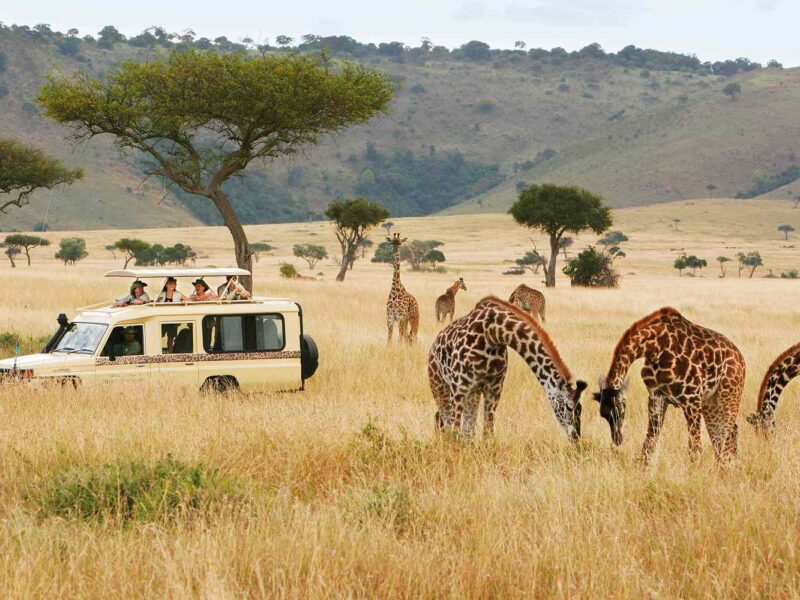
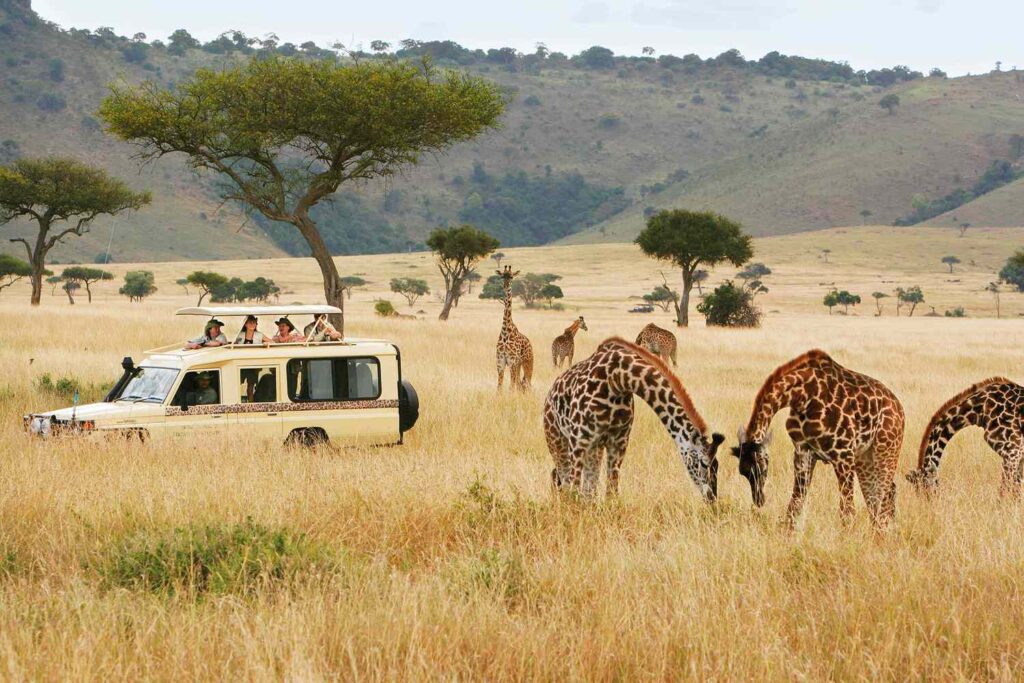
Game drives remain the main way to explore the park. Visitors travel in 4×4 vehicles with experienced guides. These guides understand animal behavior and movement patterns. Their knowledge increases the chances of sightings.
The Kazinga Channel boat cruise offers a different perspective. Visitors observe wildlife from the water. Hippos gather in large numbers, while elephants and buffaloes drink along the shores. Birds fill the air with color and sound.
Nature walks provide a closer connection to the environment. Visitors explore selected areas on foot with armed rangers. This activity allows them to observe smaller details often missed during drives.
Chimpanzee tracking in the Kyambura Gorge adds another highlight. Visitors trek through the forest to find these intelligent primates. The experience complements the savannah wildlife encounters.
Each activity enhances the appeal of the tree climbing lions. Visitors enjoy a complete safari package. They leave with a deeper understanding of the park’s ecosystem.
Conservation and Importance of Tree Climbing Lions
The tree climbing lions of Queen Elizabeth National Park hold great conservation value. They represent a unique adaptation within the lion population.
Conservation efforts focus on protecting their habitat. Park authorities work to reduce human-wildlife conflict. They also monitor lion populations to ensure their survival.
Tourism plays a key role in conservation. Visitors generate revenue that supports park management. This revenue funds anti-poaching efforts and community programs.
Local communities benefit from tourism. Employment opportunities and shared revenue improve livelihoods. This encourages positive attitudes toward wildlife conservation.
Protecting tree climbing lions ensures that future generations can experience this rare behavior. It also maintains the ecological balance of the park.
Adira Safaris Africa supports responsible tourism. The company promotes conservation awareness among travelers. It encourages visitors to respect wildlife and follow park guidelines.
Conclusion
Queen Elizabeth National Park remains one of Uganda’s most outstanding safari destinations. Its diverse landscapes and rich wildlife create an unforgettable experience. Among its many attractions, the tree climbing lions stand out as a true highlight.
These lions offer a rare and fascinating sight. Their behavior challenges common perceptions of lions. It adds a unique dimension to the safari experience.
The Ishasha sector provides the best opportunity to witness this phenomenon. Visitors enjoy peaceful game drives and exclusive encounters. Combined with other activities, the experience becomes even more rewarding.
Travelers who visit Queen Elizabeth National Park leave with lasting memories. They witness nature in its most authentic form. They also contribute to conservation efforts that protect this incredible ecosystem.
Adira Safaris Africa invites you to explore this remarkable destination. Discover the tree climbing lions and experience one of Africa’s most unique wildlife spectacles