
Culture in Mount Rwenzori National Park
April 7, 2026
Game Drives in Murchison Falls National Park
April 7, 2026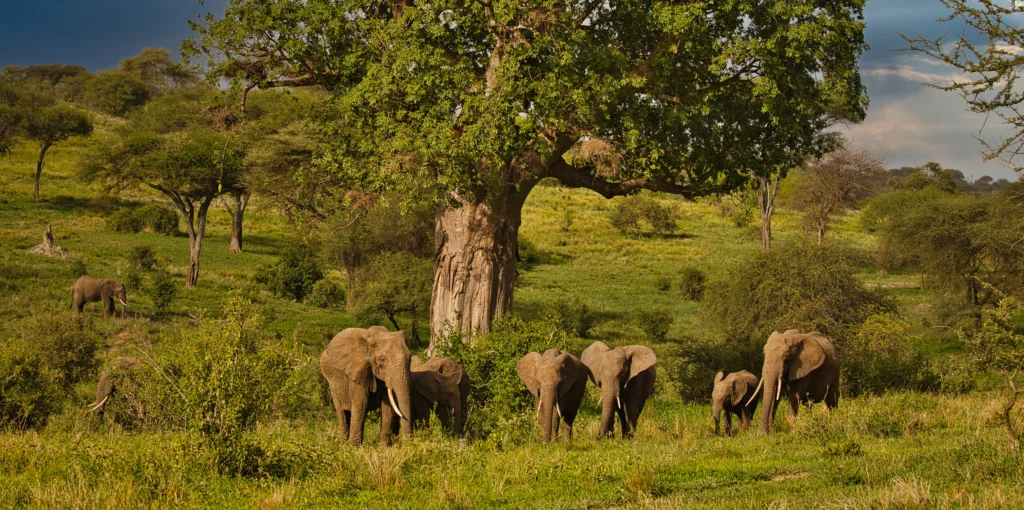
The Big Five in Uganda
The term “Big Five” ranks among the most famous wildlife categories in Africa. It refers to five iconic animals that early hunters once considered the most difficult and dangerous to track on foot. Today, the meaning has shifted. Travelers now seek the Big Five for wildlife viewing, photography, and conservation experiences. Uganda offers a rich and rewarding setting to encounter these animals in their natural habitats. Each species brings a unique story, behavior, and ecological role.
The Big Five include the lion, leopard, elephant, African buffalo, and rhinoceros. These animals live across different ecosystems in Uganda, from open savannah plains to dense forests and wetlands. Visitors can spot four of these species in Uganda’s national parks. The rhino, however, exists only in one protected sanctuary.
This guide by Adira Safaris Africa explores each member of the Big Five in detail. It explains where to find them, how they behave, and what makes them special. It also highlights the conservation efforts that protect them and ensure their survival for future generations.
The Lion – King of the Savannah
The lion stands as one of Africa’s most admired predators. It symbolizes strength, courage, and leadership. Uganda hosts healthy lion populations in parks such as Queen Elizabeth National Park and Murchison Falls National Park. These lions roam open grasslands, woodlands, and savannah areas where prey is abundant.
Lions live in social groups called prides. A pride usually includes several females, their cubs, and one or more dominant males. Female lions handle most of the hunting. They work together to bring down prey such as antelopes, buffaloes, and sometimes young elephants. This teamwork increases their success rate and ensures food for the entire pride.
One of the most unique experiences in Uganda is the chance to see tree-climbing lions in the Ishasha sector of Queen Elizabeth National Park. These lions often rest on fig tree branches during the heat of the day. This behavior remains rare and fascinates many travelers.
Lions play a critical role in maintaining ecological balance. They control herbivore populations and prevent overgrazing. Their presence indicates a healthy ecosystem. However, lions face threats such as habitat loss and human-wildlife conflict. Conservation programs in Uganda continue to protect them through monitoring and community engagement.
A safari in Uganda offers excellent chances to observe lions in action. Early morning and late afternoon game drives provide the best opportunities. Visitors often witness lions resting, interacting, or even hunting.
The Leopard – The Silent Hunter
The leopard ranks among the most elusive animals in Africa. It is solitary, secretive, and highly adaptable. This big cat thrives in various habitats, including forests, savannahs, and mountainous areas. In Uganda, leopards live in parks like Murchison Falls, Queen Elizabeth, and Kidepo Valley National Park.
Leopards rely on stealth and strength. They hunt alone and prefer to ambush their prey. Their diet includes antelopes, monkeys, birds, and small mammals. After a successful hunt, they often drag their prey into trees to protect it from scavengers like hyenas.
Unlike lions, leopards avoid confrontation. They move quietly and remain hidden during the day. This behavior makes them harder to spot. However, night game drives increase the chances of seeing them. Their reflective eyes shine brightly under torchlight, making them easier to detect.
Leopards also display remarkable climbing skills. They rest on tree branches and use trees as safe storage for food. Their spotted coats provide excellent camouflage in dappled light environments.
Despite their adaptability, leopards face threats from habitat loss and poaching. Conservation efforts focus on protecting their habitats and reducing human-wildlife conflict. Tourists who spot a leopard consider it a highlight of their safari experience.
The Elephant – Gentle Giant of the Wild
The African elephant is the largest land animal on Earth. Uganda hosts large herds of elephants in Murchison Falls National Park and Queen Elizabeth National Park. These majestic animals roam freely across savannah landscapes, forests, and riverbanks.
Elephants live in family groups led by a matriarch. This female leader guides the herd to water sources and feeding areas. The group usually consists of females and young calves, while adult males often live alone or form small bachelor groups.
Elephants consume large amounts of vegetation daily. They feed on grasses, leaves, bark, and fruits. Their feeding habits shape the environment. They open up forests, create pathways, and disperse seeds. This role makes them key ecosystem engineers.
Visitors often observe elephants near water bodies. They drink, bathe, and play in rivers. Young calves enjoy splashing in mud and staying close to their mothers. These moments create memorable safari experiences.
Elephants communicate through low-frequency sounds and body language. They show strong social bonds and display emotions such as joy, grief, and empathy. Their intelligence and memory impress many researchers and travelers.
Conservation efforts aim to protect elephants from poaching and habitat loss. Uganda enforces strict laws and supports community awareness programs. A safari with Adira Safaris Africa allows visitors to observe these giants responsibly and safely.
The African Buffalo – Strength in Numbers
The African buffalo is one of the most powerful and unpredictable animals in the wild. It lives in large herds that can include hundreds of individuals. Uganda offers excellent buffalo sightings in Murchison Falls, Queen Elizabeth, and Lake Mburo National Park.
Buffaloes prefer grasslands and areas near water sources. They graze throughout the day and rest during the hottest hours. Their strong horns and muscular bodies make them formidable opponents against predators.
Unlike other herbivores, buffaloes display strong group defense behavior. When threatened, they form protective circles around weaker members. They can confront lions and even chase them away. This courage earns them a reputation as one of the most dangerous animals in Africa.
Buffaloes maintain complex social structures. They communicate through vocalizations and body movements. Older males often leave the herd and live in smaller groups known as bachelor herds.
These animals play an important role in maintaining grassland ecosystems. Their grazing patterns influence vegetation growth and support other species. However, they also face threats from disease and habitat pressure.
Game drives offer great opportunities to observe buffalo herds in action. Visitors often see them grazing peacefully or interacting within the group. Their presence adds excitement and diversity to any safari experience.
The Rhinoceros – Uganda’s Conservation Success Story
The rhinoceros once roamed freely across Uganda. However, poaching and conflict led to its extinction in the wild. Today, Uganda is working to restore this iconic species through dedicated conservation efforts.
The only place to see rhinos in Uganda is the Ziwa Rhino Sanctuary. This sanctuary protects southern white rhinos in a safe and controlled environment. It plays a key role in breeding and reintroducing rhinos into national parks.
Visitors at Ziwa Rhino Sanctuary enjoy guided walking safaris. This experience allows close observation of rhinos in their natural habitat. Trained rangers ensure safety while sharing valuable information about the animals.
Rhinos are large herbivores that feed on grasses and shrubs. They have poor eyesight but rely on strong senses of smell and hearing. Despite their size, they can move quickly when threatened.
Conservation efforts at Ziwa focus on breeding, monitoring, and education. The sanctuary aims to increase rhino numbers and eventually reintroduce them into protected areas. This initiative marks a major step in Uganda’s wildlife restoration journey.
A visit to Ziwa Rhino Sanctuary complements a safari in Uganda. It completes the Big Five experience and supports vital conservation work.
Best Places to See the Big Five in Uganda
Uganda offers several prime locations for Big Five safaris. Murchison Falls National Park stands out as the best destination for four of the Big Five. Visitors can see lions, leopards, elephants, and buffaloes in one park. The Nile River and dramatic waterfalls add to the experience.
Queen Elizabeth National Park also provides excellent wildlife viewing. It features diverse landscapes, including savannah, wetlands, and forests. The Ishasha sector is famous for tree-climbing lions.
Kidepo Valley National Park offers a remote and untouched wilderness. It hosts lions, leopards, elephants, and buffaloes in a stunning setting. The park provides a more exclusive safari experience.
Ziwa Rhino Sanctuary remains essential for rhino tracking. It completes the Big Five checklist and supports conservation efforts.
Conclusion – Experience the Big Five with Adira Safaris Africa
The Big Five represent the heart of Africa’s wildlife heritage. Each animal offers a unique story and unforgettable experience. Uganda provides a perfect destination to encounter these iconic species in diverse and scenic environments.
From the powerful lion to the elusive leopard, from the gentle elephant to the resilient buffalo, and finally the protected rhino, every moment on safari creates lasting memories. These animals also highlight the importance of conservation and responsible tourism.
Adira Safaris Africa designs tailored safari experiences that bring travelers closer to nature. With expert guides, well-planned itineraries, and a deep commitment to sustainability, every journey becomes meaningful and rewarding.
Explore Uganda’s wilderness. Discover the Big Five. Support conservation. Create unforgettable safari memories with Adira Safaris Africa