
Culture in Kidepo Valley National Park
April 7, 2026
The Big Five in Uganda
April 7, 2026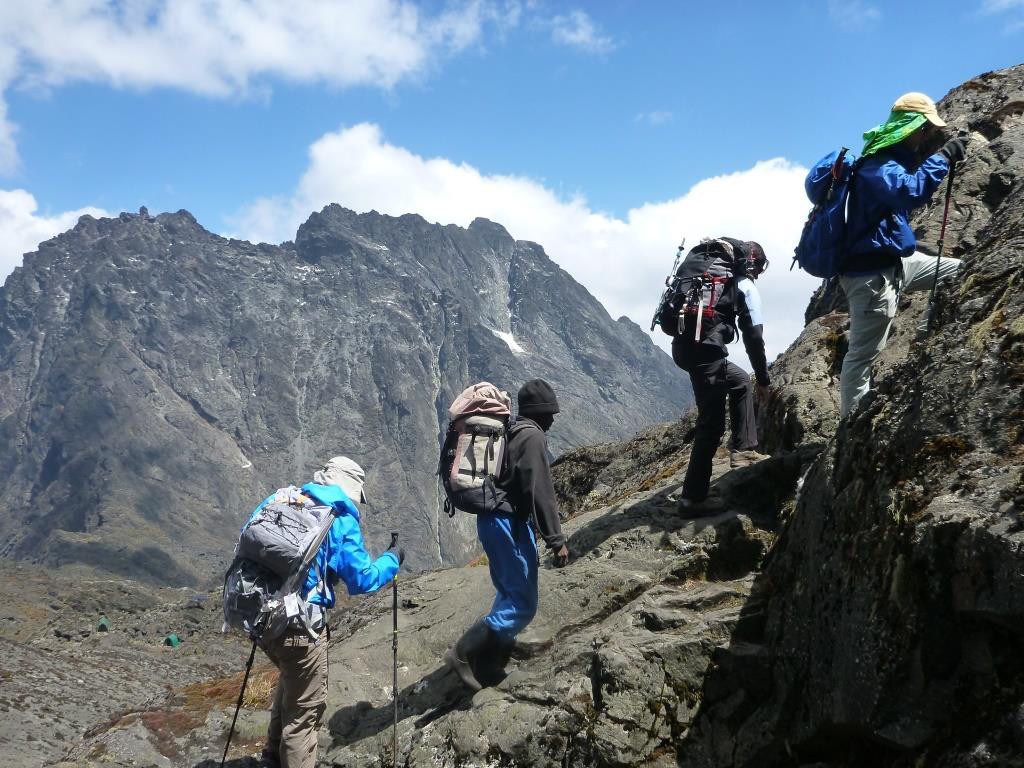
Culture in Mount Rwenzori National Park
Rwenzori Mountains National Park ranks among the most remarkable natural and cultural destinations in Uganda. Many travelers know this park for its dramatic landscapes and challenging hiking routes. It features Africa’s highest snow-capped mountain range, often called the “Mountains of the Moon.” This name reflects the mystical beauty that surrounds the peaks and valleys of the Rwenzori range.
The park showcases breathtaking natural features. Visitors encounter glaciers, waterfalls, rivers, and alpine lakes across different elevations. The peaks include Margherita Peak, which stands as the highest point in the range. These landscapes attract hikers and adventure seekers from across the world. However, beyond the physical beauty lies a rich cultural heritage that shapes the identity of this region.
The slopes of the Rwenzori Mountains host vibrant communities that have lived in harmony with nature for generations. Among them, the Bakonzo people stand out as the primary custodians of the cultural traditions in this area. Their presence adds depth and meaning to every visit.
Travelers who explore Mount Rwenzori National Park gain more than scenic views. They discover a cultural experience rooted in history, spirituality, and daily life. Adira Safaris Africa offers guided experiences that bring this culture to life. Each journey connects visitors to the people, traditions, and landscapes that define the Rwenzori region.
The Bakonzo People: Custodians of the Rwenzori Slopes
The cultural identity of the Rwenzori region centers on the Bakonzo people. These indigenous people live along the mountain slopes and maintain a strong connection to the land. Their lifestyle reflects generations of adaptation to the steep terrain and changing climate conditions.
The Bakonzo people view the mountains as more than a physical environment. They see them as a sacred space that shapes their beliefs and traditions. This deep connection influences their daily activities, social structure, and cultural expressions. Visitors who interact with the Bakonzo gain insight into a way of life that blends nature, spirituality, and community.
Hospitality defines the Bakonzo culture. Visitors often receive a warm welcome from local families and community members. This openness creates a comfortable environment for cultural exchange. The Bakonzo willingly share their knowledge, stories, and traditions with those who show interest and respect.
The people also possess deep knowledge of the mountains. They understand weather patterns, terrain conditions, and natural resources. This knowledge supports their farming practices and daily survival. It also enhances the experience for visitors who seek to explore the region with local guidance.
Adira Safaris Africa works closely with the Bakonzo communities to ensure authentic cultural experiences. These partnerships support local livelihoods and preserve traditions. Visitors leave with a deeper appreciation for the resilience and wisdom of the Bakonzo people.
Cultural Activities: Music, Dance, and Drama
Cultural expression plays a central role in the life of the Bakonzo people. Music, dance, and drama serve as powerful tools for storytelling and community bonding. These performances offer visitors a vibrant and engaging introduction to the culture of the Rwenzori region.
The Bakonzo use music to communicate history, celebrate achievements, and express emotions. Traditional songs often reflect daily life, agricultural activities, and spiritual beliefs. Performers use rhythmic instruments such as drums to create energy and movement. The music invites participation and creates a lively atmosphere.
Dance complements the music with coordinated movements and expressive gestures. Each dance carries meaning and purpose. Some dances celebrate harvest seasons, while others mark important social events. Visitors who attend these performances gain a deeper understanding of the cultural values that guide the community.
Drama adds another dimension to cultural expression. Through storytelling and role-playing, the Bakonzo share legends, moral lessons, and historical events. These performances preserve knowledge and pass it to younger generations. They also offer visitors a unique way to learn about the culture.
Adira Safaris Africa includes cultural performances as part of its itineraries. These experiences create memorable moments and foster meaningful connections. Visitors not only watch but also engage with the performers, making the experience more personal and impactful.
Traditional Crafts: Basket Weaving and Blacksmithing
Craftsmanship forms an important part of Bakonzo culture. The community produces a variety of handmade items that reflect both skill and tradition. Among the most notable crafts are basket weaving and blacksmithing.
Basket weaving requires patience and precision. The Bakonzo use locally available materials such as grasses and fibers to create functional and decorative items. These baskets serve various purposes, including storage, transportation, and household use. The designs often feature patterns that hold cultural significance.
Visitors who participate in craft-making sessions gain hands-on experience. They learn the techniques involved and understand the effort required to produce each item. This interaction helps preserve traditional skills and encourages cultural appreciation.
Blacksmithing represents another vital craft in the community. Local artisans create tools and implements that support farming and daily activities. They shape metal using traditional methods that have passed through generations. This process demonstrates both creativity and technical skill.
The craft experience allows visitors to connect with the practical aspects of Bakonzo life. It highlights the importance of self-reliance and resourcefulness. Adira Safaris Africa ensures that these activities benefit the artisans directly. This approach supports local economies and encourages the continuation of traditional practices.
Community Walks: Exploring Ruboni Village
Community walks provide one of the most immersive ways to experience culture in the Mt Rwenzori region. A visit to Ruboni Village offers a close look at daily life on the mountain slopes.
Ruboni Village sits near the foothills of the Rwenzori Mountains. It serves as a gateway for both hikers and cultural travelers. During a guided walk, visitors explore homesteads, farms, and local markets. These interactions reveal the routines and practices that shape the community.
The walk introduces visitors to agricultural activities. The Bakonzo grow crops on steep terrain using traditional methods. They cultivate bananas, beans, and other staple foods. This farming approach requires skill and careful management of the land.
Visitors also engage with local families. They observe cooking methods, household structures, and social interactions. These experiences provide a genuine understanding of rural life in the Rwenzori region. The community members often share stories and answer questions, creating a meaningful exchange.
Adira Safaris Africa organizes community walks that respect local customs and traditions. These experiences promote responsible tourism and strengthen the relationship between visitors and hosts. Travelers leave with a deeper appreciation for the resilience and creativity of the Bakonzo people.
Bulema-Ihandiro Cultural Trail: A Unique Cultural Journey
The Bulema-Ihandiro cultural trail offers a structured experience that combines history, craftsmanship, and storytelling. This trail takes visitors through areas where the Bakonzo demonstrate traditional skills and cultural practices.
Along the trail, visitors observe craft-making activities such as basket weaving and blacksmithing. Artisans explain each step of the process and share the significance of their work. This interaction creates a deeper understanding of the cultural importance of these crafts.
The trail also includes storytelling sessions. Elders and guides share legends and historical accounts that define the Bakonzo identity. These stories connect the past to the present and preserve cultural knowledge.
Visitors gain insight into the social structure of the community. They learn about leadership roles, family systems, and cultural values. This information adds context to the overall experience and enhances appreciation.
The Bulema-Ihandiro trail stands out because of its authenticity and depth. It offers a comprehensive view of Bakonzo culture in a single journey. Adira Safaris Africa integrates this trail into its itineraries to provide a well-rounded cultural experience.
Spiritual Beliefs and Sacred Traditions
Spirituality forms a core aspect of Bakonzo culture. The people believe that the Rwenzori Mountains serve as the home of their gods. This belief shapes their relationship with the environment and influences their traditions.
The mountains hold sacred significance. Certain areas remain important for rituals and ceremonies. In the past, the Bakonzo conducted traditional practices, including animal sacrifices, to honor their deities. These rituals reflected respect and reverence for the spiritual world.
Today, many of these practices have evolved. However, the underlying beliefs remain strong. The community continues to value the mountains as a source of spiritual guidance and protection. Visitors who learn about these beliefs gain a deeper understanding of the cultural landscape.
Adira Safaris Africa approaches spiritual topics with sensitivity and respect. Guides provide information in a way that honors the traditions while educating visitors. This approach ensures that cultural experiences remain meaningful and respectful.
Agricultural Lifestyle on the Mountain Slopes
Agriculture plays a vital role in the daily life of the Bakonzo people. The steep terrain of the Rwenzori Mountains presents unique challenges. However, the community has developed effective methods to cultivate crops in this environment.
Farmers create terraces and use natural techniques to manage soil and water. These practices prevent erosion and maintain productivity. The crops grown include bananas, beans, and other staple foods that support the local diet.
Visitors who explore the agricultural lifestyle gain practical insights into sustainable farming. They see how the Bakonzo adapt to their environment and make the most of available resources. This experience highlights the importance of resilience and innovation.
Adira Safaris Africa includes agricultural experiences as part of its cultural tours. These activities provide a balanced view of life in the Rwenzori region. Visitors leave with a deeper appreciation for the effort and knowledge required to sustain this way of life.
Conclusion
Culture in Mount Rwenzori National Park offers a rich and immersive experience that goes beyond natural beauty. From the traditions of the Bakonzo people to the spiritual significance of the mountains, every aspect of this region tells a powerful story.
Visitors who engage with this culture gain meaningful insights into a way of life shaped by nature, history, and community. Through music, crafts, community walks, and storytelling, the Bakonzo share their heritage with pride and openness.
Adira Safaris Africa invites travelers to explore this unique destination. The cultural experiences in the Rwenzori region create lasting memories and foster a deeper connection to Uganda’s diverse heritage