
Are Chimpanzees Aggressive?
March 31, 2026
What is the Difference Between Chimp Tracking and Habituation?
March 31, 2026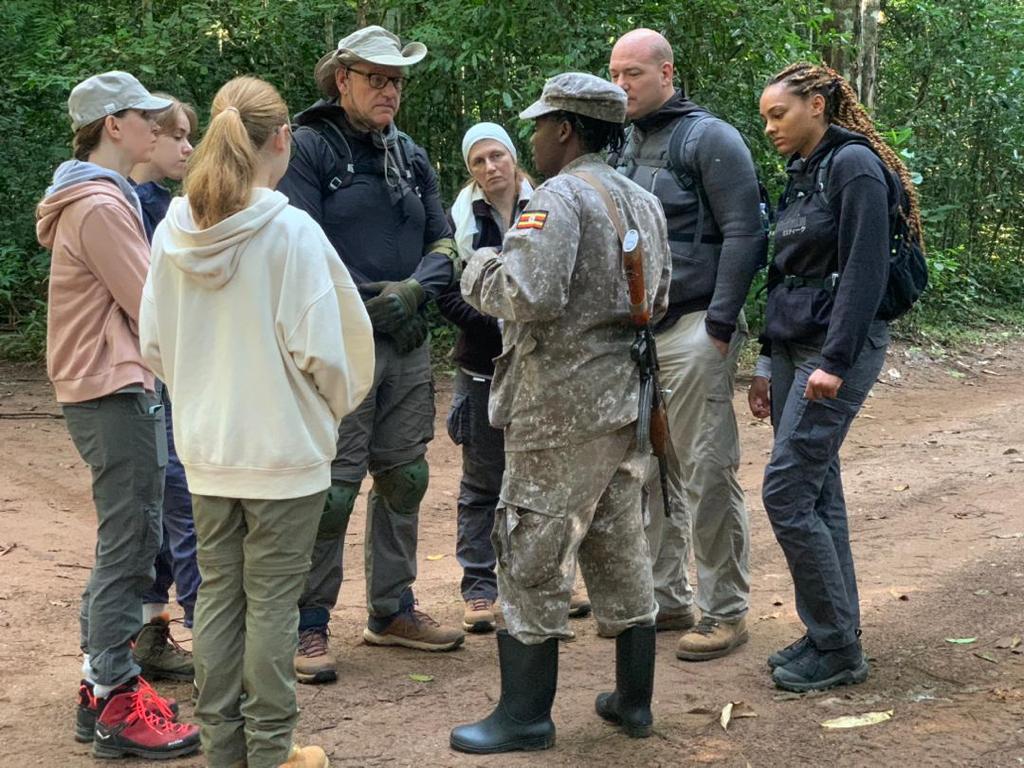
What Should I Wear for Chimpanzee Trekking?
“What Should I Wear for Chimpanzee Trekking?” remains one of the most important questions for travelers planning immersive Rwanda Safaris and Uganda Safaris focused on primate encounters. Across East Africa, chimpanzee trekking takes place in dense tropical forests where terrain, weather, and vegetation demand careful preparation. Within iconic destinations such as Nyungwe Forest National Park and Kibale Forest National Park, the trekking experience involves navigating thick undergrowth, uneven paths, and humid conditions while following expert guides in search of chimpanzee families.
Choosing appropriate clothing is not simply about comfort; instead, it directly affects safety, mobility, and overall enjoyment. Unlike traditional savannah game drives associated with a Uganda Best Safari, chimpanzee trekking requires physical movement through forest trails where insects, thorny plants, and sudden weather changes are common. Proper attire enhances your ability to focus on the incredible wildlife encounters rather than environmental discomfort.
Planning effectively ensures that your Rwanda Safaris or Uganda Safaris experience becomes seamless and rewarding from start to finish. Selecting the right clothing also demonstrates respect for conservation guidelines and helps preserve the delicate ecosystems where chimpanzees thrive. Understanding “What Should I Wear for Chimpanzee Trekking?” ultimately equips travelers with the knowledge needed to explore Africa’s rainforests confidently while maximizing both safety and adventure.
What Clothing Is Best for Chimpanzee Trekking?
“What Should I Wear for Chimpanzee Trekking?” begins with selecting clothing that balances protection, breathability, and durability. Lightweight long-sleeved shirts and full-length trousers are essential, as they shield your skin from insect bites, thorn scratches, and exposure to direct sunlight filtering through the forest canopy. Neutral colors such as green, brown, and khaki are highly recommended because they blend with the environment and minimize disturbance to wildlife during Rwanda Safaris and Uganda Safaris.
Additionally, moisture-wicking fabrics perform exceptionally well in humid rainforest conditions, keeping your body dry and comfortable throughout the trek. Heavy materials should be avoided since they can become uncomfortable when wet or during long hikes. Durable trekking pants with reinforced stitching provide extra protection when navigating dense vegetation, making them a reliable choice for a Uganda Best Safari primate experience.
Proper layering also plays a key role, as forest temperatures can vary between cool mornings and warmer midday conditions. A light waterproof jacket proves invaluable in case of sudden rain showers, which are common in tropical ecosystems. Furthermore, a wide-brimmed hat or cap helps protect against both sun exposure and light rainfall.
Selecting the right clothing significantly enhances your trekking experience by ensuring comfort and safety without compromising mobility. Ultimately, understanding “What Should I Wear for Chimpanzee Trekking?” helps travelers prepare effectively for one of Africa’s most exciting wildlife adventures.
Which Footwear and Accessories Are Essential for Trekking?
“What Should I Wear for Chimpanzee Trekking?” extends beyond clothing to include proper footwear and essential accessories that support a successful journey. Sturdy, waterproof hiking boots with strong grip soles are crucial for navigating muddy, slippery, and uneven forest trails commonly found in Kibale Forest National Park and Nyungwe Forest National Park. Good ankle support reduces the risk of injury while climbing steep sections or crossing small streams.
Comfortable, breathable socks should complement your boots, helping to prevent blisters during extended hikes. Gaiters are also highly recommended, as they protect your lower legs from mud, insects, and sharp vegetation. Meanwhile, gloves can be useful when holding onto branches or trekking poles for balance on challenging terrain.
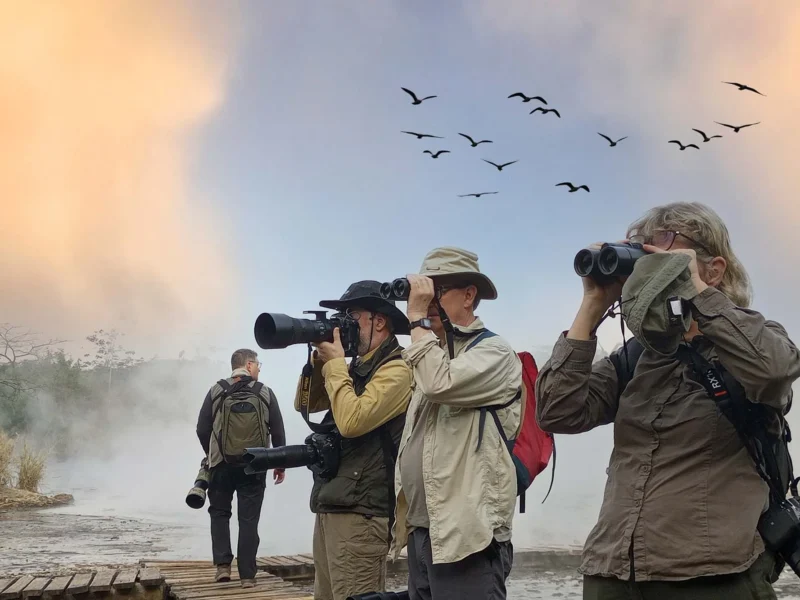
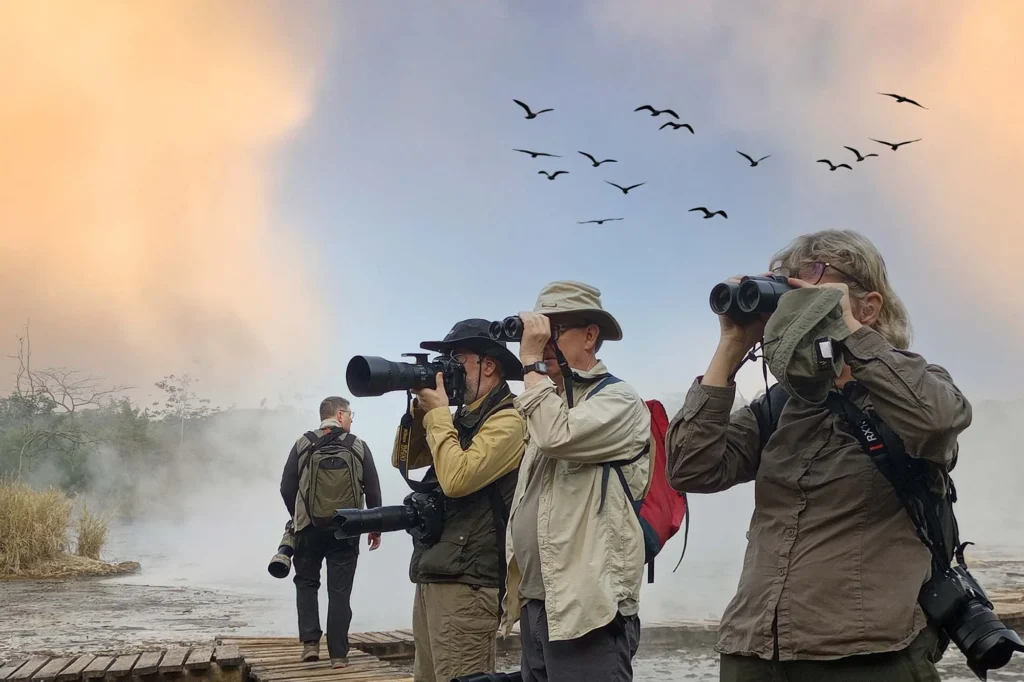
Carrying the right accessories enhances both safety and convenience. A small backpack allows you to store essentials such as water, snacks, insect repellent, and a camera. Binoculars provide a closer view of chimpanzees and birdlife within the forest canopy, enriching your Rwanda Safaris and Uganda Safaris experience.
Sun protection, including sunscreen and sunglasses, remains important even in shaded environments, as UV rays can penetrate through tree cover. Insect repellent is equally vital for preventing bites in humid forest conditions. Ultimately, equipping yourself properly answers the question, “What Should I Wear for Chimpanzee Trekking?” by ensuring you are fully prepared for the demands of a Uganda Best Safari primate adventure.
How Do You Reach Chimpanzee Trekking Destinations?
Understanding “What Should I Wear for Chimpanzee Trekking?” also involves knowing how to access the trekking locations efficiently. Travelers typically begin their journey in Kigali for Rwanda Safaris or Kampala for Uganda Safaris, both of which serve as key entry points with international flight connections.
From Kigali, reaching Nyungwe Forest National Park requires a scenic drive of approximately 5 to 6 hours through rolling hills and tea plantations. Meanwhile, visitors heading to Kibale Forest National Park from Kampala can expect a journey of about 5 to 6 hours by road, passing through rural landscapes and small towns that offer insight into local culture.
Organized safari operators such as Adira Safaris provide private transportation, ensuring comfort and convenience throughout the journey. Additionally, guided tours often include transfers, park permits, and accommodation, making travel logistics seamless for international visitors.
Regional itineraries combining Rwanda Safaris and Uganda Safaris are increasingly popular, allowing travelers to experience diverse ecosystems within a single trip. Efficient travel planning enhances the overall trekking experience, ensuring that visitors arrive well-prepared and ready for adventure. Ultimately, accessibility plays a key role in answering “What Should I Wear for Chimpanzee Trekking?” by connecting preparation with practical travel considerations.
When Is the Best Time for Chimpanzee Trekking?
“When considering What Should I Wear for Chimpanzee Trekking?” timing becomes equally important in ensuring a comfortable and rewarding safari experience. Both Rwanda and Uganda offer year-round chimpanzee trekking opportunities; however, seasonal variations influence trail conditions and overall accessibility.
Dry seasons, typically from June to September and December to February, are considered the best times for trekking. During these months, forest trails are less muddy, making movement easier and safer. Clear weather also improves visibility, allowing travelers to fully enjoy sightings of chimpanzees and other wildlife during Rwanda Safaris and Uganda Safaris.
Rainy seasons, occurring from March to May and October to November, bring lush vegetation and increased food availability for chimpanzees, which can sometimes make them easier to locate. However, trails may become slippery and more challenging to navigate, requiring extra caution and appropriate gear.
Choosing the right time aligns your clothing and preparation with environmental conditions, ensuring maximum comfort and safety. Ultimately, understanding seasonal patterns provides a complete perspective on “What Should I Wear for Chimpanzee Trekking?” while enhancing the overall Uganda Best Safari primate experience