
Mistakes Travelers Make When Choosing Budget Safari Lodges
January 27, 2026
Uganda Gorilla Trekking Mistakes First-Timers Should Avoid.
January 27, 2026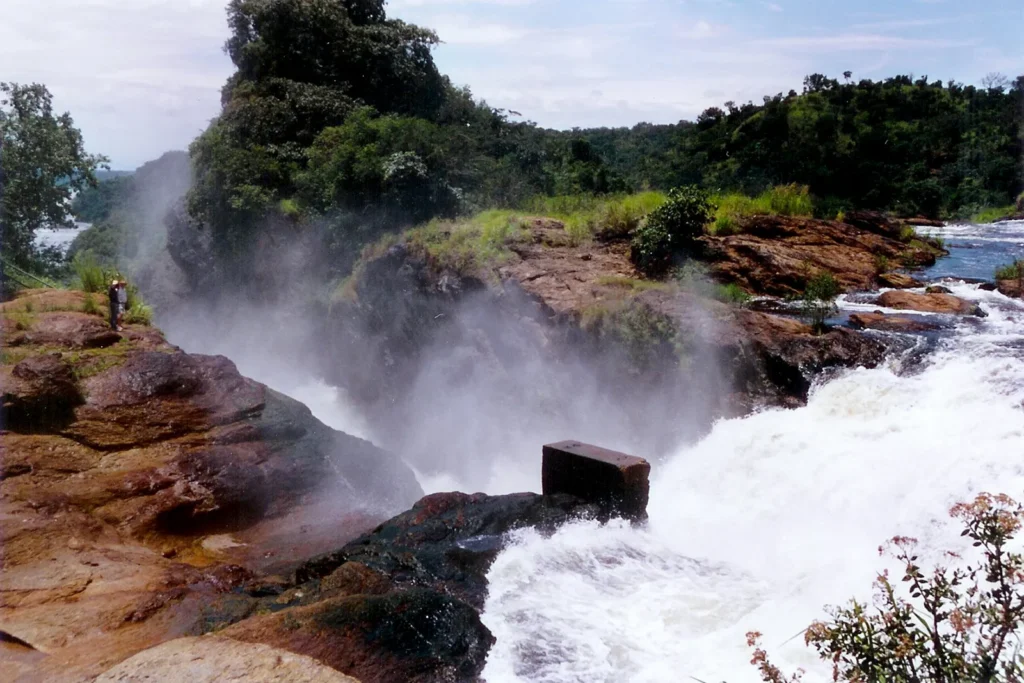
Planning a safari in East Africa is often seen as a once-in-a-lifetime experience, yet many travelers unknowingly make booking mistakes that push costs far beyond their original budget. Whether you are planning a safari in Uganda, Kenya, Tanzania, or Rwanda, small decisions made early in the booking process can significantly affect the final price.
From choosing the wrong destination for your budget to poor routing between national parks, these common safari booking mistakes often result in travelers paying more for less.
Below are the most costly errors and how to avoid them.
1. Booking Lodges Before Confirming the Safari Route
One of the most common mistakes travelers make when booking an East African safari is reserving accommodation before finalizing the itinerary.
For example:
-
Booking a lodge near Queen Elizabeth National Park but planning to enter through a distant gate
-
Choosing accommodation outside Serengeti National Park without considering daily drive times
-
Staying far from Bwindi Impenetrable National Park while holding a gorilla trekking permit
Poor routing increases:
-
Fuel costs
-
Vehicle usage days
-
Driver-guide fees
-
Extra overnight stays
A well-planned route across destinations like Kibale Forest National Park, Lake Mburo National Park, or Masai Mara National Reserve can reduce total safari costs significantly.
2. Choosing Lodges Based Only on Price
Many travelers searching for budget safaris focus solely on the cheapest nightly rate. However, a lodge’s location often matters more than its price.
Cheaper lodges located far from:
-
Kazinga Channel (Queen Elizabeth NP)
-
Central Serengeti
-
Ishasha sector (tree-climbing lions)
-
Volcanoes National Park gates
In many cases, a slightly higher-priced lodge closer to wildlife areas actually lowers the overall safari cost.
3. Underestimating National Park Fees and Activity Costs
A major safari booking mistake is failing to factor in daily park fees and paid activities.
Examples include:
-
Daily park entry fees in Murchison Falls National Park
-
Boat safaris on the Kazinga Channel
-
Chimpanzee trekking permits in Kibale Forest or Nyungwe Forest National Park
-
Conservation fees in Ngorongoro Conservation Area
When these costs are not planned upfront, travelers often exceed their budget after arrival.
4. Booking Gorilla or Chimpanzee Permits Too Late
Permits for gorilla trekking in Bwindi Impenetrable National Park (Uganda) or Volcanoes National Park (Rwanda) are limited.
Late bookings often force travelers to:
-
Change travel dates
-
Stay in more expensive lodges
-
Add extra travel days
-
Pay higher transport costs
Early permit planning is one of the most effective ways to control safari expenses, especially for primate focused itineraries.
5. Ignoring Seasonal Price Differences
Safari prices vary significantly depending on the season.
For example:
-
July–October is peak season in Kenya and Tanzania
-
March–May offers better value in Uganda
-
Rwanda remains high-cost year-round due to its conservation model
Travelers who don’t understand these seasonal shifts often pay premium prices unnecessarily, even when wildlife viewing is equally good in shoulder seasons.
6. Booking Transfers and Activities Separately
Some travelers try to reduce costs by booking accommodation, transport, and activities independently. This often leads to:
-
Higher combined costs
-
Inconsistent service standards
-
Coordination problems that require paid fixes
A professionally designed safari package across destinations like Lake Nakuru, Tarangire National Park, or Lake Manyara is usually more cost-effective than booking each element separately.
7. Overlooking Vehicle and Guide Costs
Safari vehicles, fuel, and professional guides form a major part of safari pricing.
Travelers who focus only on lodge costs are often surprised by:
-
Daily 4×4 vehicle rates
-
Long-distance fuel charges
-
Extra guide fees due to inefficient routing
This mistake is especially common on multi-park itineraries combining Uganda and Tanzania or Kenya and Rwanda.
8. Assuming Safari Costs Are the Same Across Countries
East Africa is not one uniform safari market.
For example:
-
Uganda offers the best value for budget and mid-range safaris
-
Kenya balances cost and classic wildlife density
-
Tanzania has higher park fees but iconic landscapes
-
Rwanda focuses on high-end, conservation-led tourism
Choosing the wrong country for your budget often leads to itinerary changes that increase costs later.

9. Making Last-Minute Changes
Changes to dates, lodges, or activities often trigger:
-
Cancellation penalties
-
Amendment fees
-
Limited availability near national parks
Late changes around destinations like Serengeti, Bwindi, or Masai Mara are particularly expensive during peak season.
10. Booking Without Local Safari Expertise
Online research rarely reveals:
-
Real driving times between parks
-
Road conditions during rainy seasons
-
Which lodges are overpriced for their category
-
Where hidden costs usually appear
Without local insight, travelers often pay more while experiencing less.
Why Booking With Adira Safaris Saves You Money
Adira Safaris specializes in Uganda, Kenya, Tanzania, and Rwanda, designing itineraries that focus on total value, not just low prices.
We help travelers by:
-
Selecting destinations that match their budget
-
Planning efficient routes between national parks
-
Recommending lodges with the best price-to-location ratio
-
Securing permits early to avoid costly itinerary changes
-
Eliminating unnecessary travel days
As a locally based East African safari company, we understand where safari costs quietly increase and how to prevent it.
Final Thought
Safari overspending is rarely caused by choosing luxury it’s caused by poor planning. With expert guidance, a safari can be affordable, well-paced, and deeply rewarding.
Adira Safaris ensures your safari budget is spent on experiences, not avoidable mistakes.