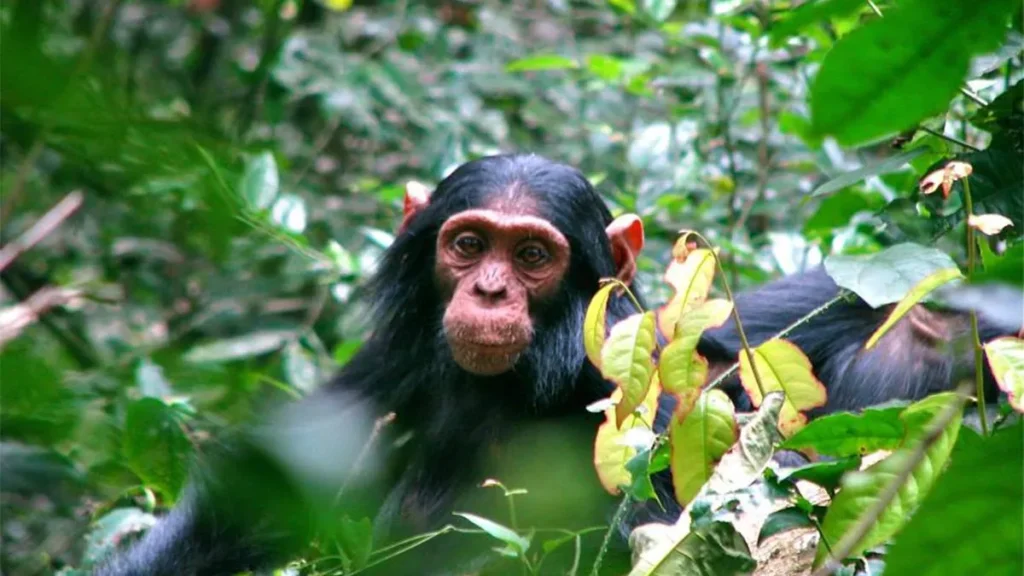


RIVER HIPPOS IN NYERERE NATIONAL PARK
July 27, 2026
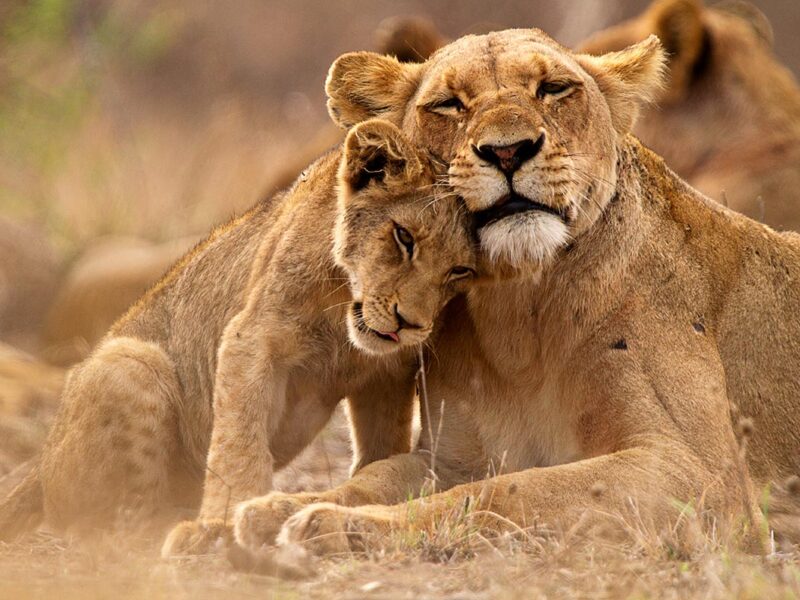
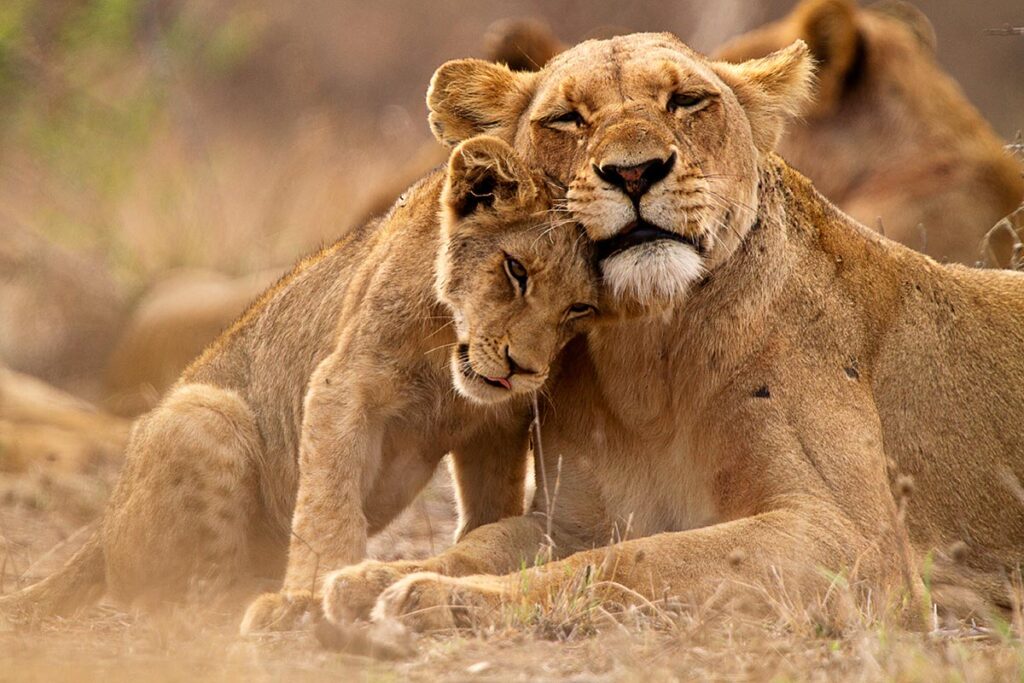
BIG LION PRIDES IN RUAHA NATIONAL PARK
July 28, 2026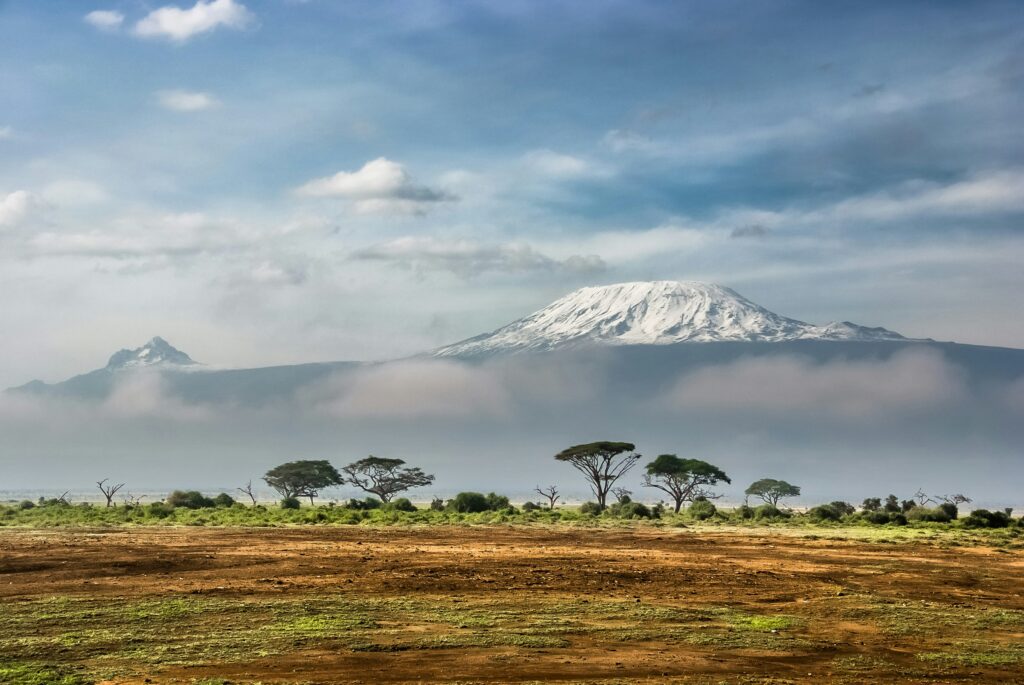
WILDLIFE AT THE BASE OF KILIMANJARO
Wildlife at the base of Mount Kilimanjaro offers tourists a thrilling and memorable experience before they even begin their climb to the mountain summit. Mount Kilimanjaro is one of Africa’s most famous natural attractions. Many travellers visit the mountain because they want to reach Uhuru Peak, the highest point in Africa. However, the areas around the lower slopes also offer an exciting opportunity to experience nature and wildlife. The base of Kilimanjaro supports a range of animals and bird species that live within forests, grasslands, farmlands, and nearby protected areas. This makes the region more than just a starting point for mountain climbing. It is also a destination where visitors can enjoy beautiful scenery and observe wildlife in its natural environment.
The lower slopes of Kilimanjaro contain a variety of habitats. These habitats change as the elevation increases. Near the base, visitors can see cultivated land, open grasslands, villages, and patches of natural vegetation. Higher up, the landscape gradually changes into montane forest. These different environments support different species of wildlife. A safari around the Kilimanjaro region can therefore combine mountain views with opportunities to see animals and birds. Tourists may encounter monkeys, antelopes, birds, and other smaller creatures while exploring the area. The experience becomes even more exciting when Mount Kilimanjaro rises dramatically in the background.
For visitors interested in nature, wildlife, photography, and cultural experiences, exploring the base of Kilimanjaro can add great value to a Tanzania safari. It gives tourists time to appreciate the rich environment surrounding Africa’s highest mountain. The peaceful surroundings also create a strong contrast with the busy safari experience found in some of Tanzania’s larger wildlife destinations. With Adira Safaris Africa, travellers can explore the natural beauty around Kilimanjaro while enjoying an organised and informative safari experience.
The Natural Environment Around Mount Kilimanjaro
The wildlife around the base of Kilimanjaro depends greatly on the natural environment. The mountain creates different ecological zones as the altitude rises. Each zone has its own vegetation, climate, and wildlife. The lower areas are generally warmer and support grasslands, agricultural land, shrubs, and scattered trees. These areas provide food and shelter for various animals. As visitors move towards the mountain’s lower forest zone, the vegetation becomes thicker and greener. The forest creates an important habitat for several species of mammals and birds.
The landscape around Kilimanjaro also benefits from water flowing down from the mountain. Streams and small rivers support vegetation and provide water for wildlife and local communities. The presence of water helps create a productive environment where plants can grow throughout the year. Animals can find food, cover, and drinking water in different parts of the landscape. The mountain itself plays an important role in shaping the environment around it.
One of the most impressive features of this region is the combination of wildlife and mountain scenery. Tourists can watch animals moving through open areas while the snow-capped summit of Kilimanjaro dominates the horizon. This creates excellent opportunities for photography. A simple wildlife sighting can become a special travel memory when viewed against the dramatic slopes of Africa’s highest mountain.
The natural environment also gives tourists an opportunity to understand the connection between wildlife, forests, agriculture, and local communities. People living around Kilimanjaro have depended on the mountain and its natural resources for generations. Today, conservation and responsible tourism play an important role in protecting the region. Visitors can contribute to these efforts by respecting wildlife, avoiding littering, following local guidelines, and supporting responsible tourism operators.
Wildlife Encounters at the Base of Kilimanjaro
Wildlife encounters around the base of Kilimanjaro can make a Tanzania holiday even more exciting. Although many travellers associate Kilimanjaro mainly with mountain climbing, the surrounding environment supports a surprising variety of wildlife. Visitors exploring the lower areas may see animals moving through forests, grasslands, and other natural habitats. The exact animals encountered depend on the location, season, weather, and time of day.
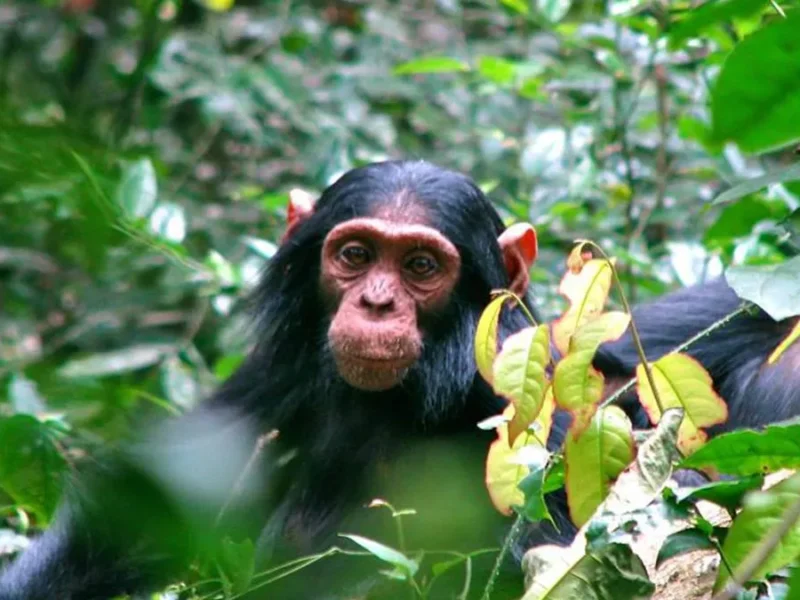
Monkeys are among the interesting animals tourists may encounter around the forested areas of Kilimanjaro. Their movement through the trees can provide an entertaining sight for visitors. Some species remain high in the forest canopy, while others may move closer to the ground in search of food. Watching monkeys interact with one another gives travellers a chance to observe natural animal behaviour rather than simply seeing wildlife from a distance.
Antelopes and other small mammals can also occur in suitable habitats around the mountain. These animals depend on vegetation for food and use natural cover for protection. Their movements can sometimes be difficult to notice because many are cautious and quickly disappear when they sense human activity. This makes every encounter special. Tourists should remain patient and observant while exploring the area.
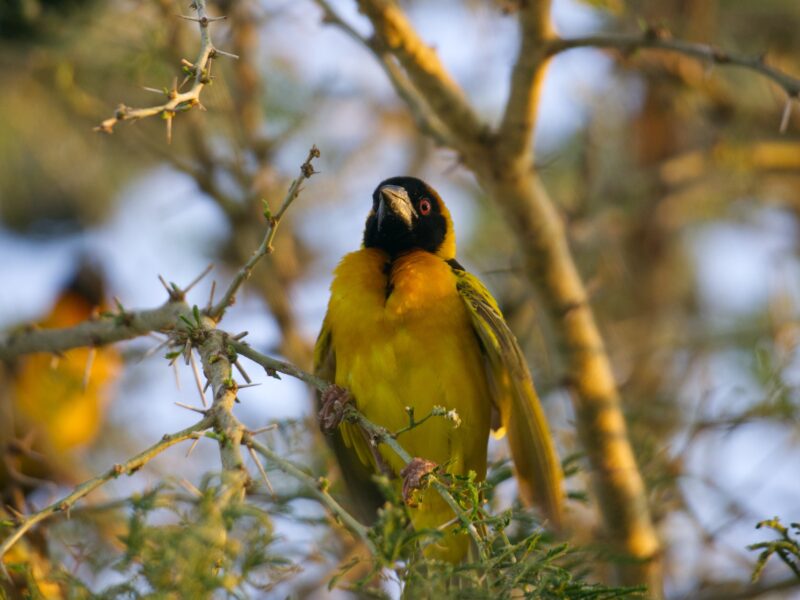
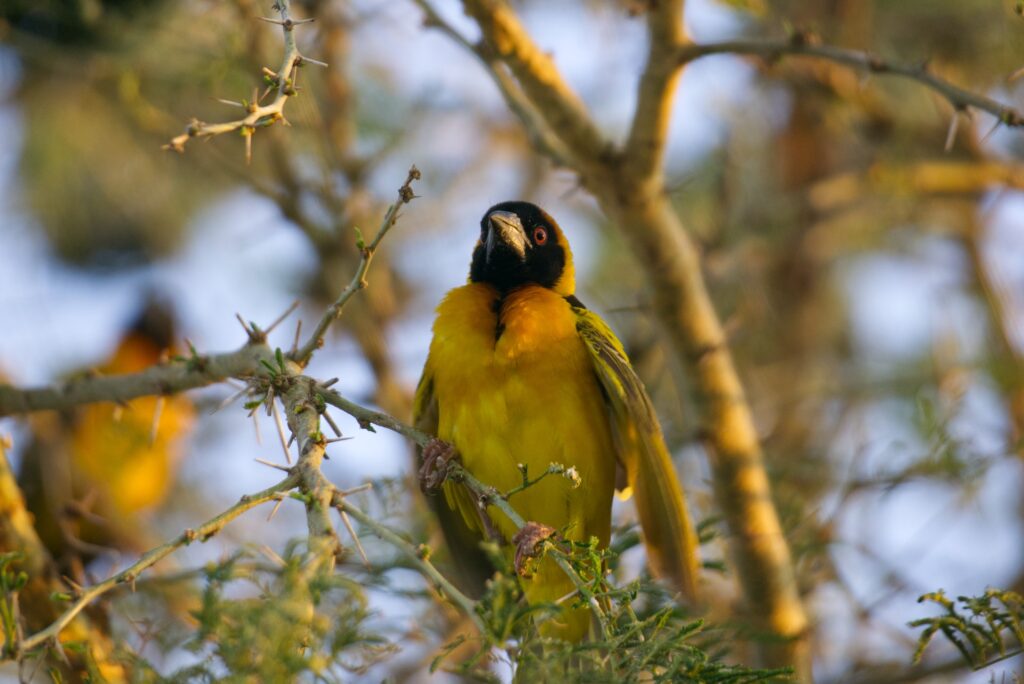
Birdlife also adds another exciting dimension to wildlife viewing at the base of Kilimanjaro. The forests and open areas attract different bird species. Birdwatchers can spend time listening for calls and watching birds move between trees and vegetation. The combination of bird sounds, mountain scenery, and fresh air creates a peaceful experience for nature lovers.
Monkeys and Primates Around Kilimanjaro
Primates are among the fascinating wildlife that tourists may encounter in the forested areas around Mount Kilimanjaro. The mountain’s lower forest environment provides trees, fruits, leaves, and other natural food sources that support different monkey species. Seeing a monkey moving through the branches can be one of the memorable moments of a wildlife experience around Kilimanjaro.
The forest canopy offers monkeys a natural environment where they can feed, rest, move between trees, and avoid potential threats. Visitors may notice monkeys jumping between branches or moving through the vegetation in groups. Their behaviour can be fascinating to watch. Tourists who enjoy photography should keep their cameras ready because wildlife encounters can happen unexpectedly.
The presence of primates also highlights the importance of protecting the forests around Kilimanjaro. Forests provide much more than beautiful scenery. They support wildlife, protect water sources, help regulate the local environment, and provide important ecological services. Protecting these habitats helps ensure that future generations can continue to experience the wildlife of Kilimanjaro.
Tourists should always maintain a respectful distance from wild animals. They should avoid feeding monkeys or attempting to touch them. Feeding wildlife can change natural behaviour and may create problems for both animals and visitors. Responsible wildlife viewing allows animals to remain wild while giving tourists the opportunity to observe them naturally.
A visit to the forest around Kilimanjaro therefore offers more than a chance to see monkeys. It provides an opportunity to understand the importance of forest conservation. With the guidance of experienced local guides, visitors can learn about the different plants, animals, and environmental features that make the Kilimanjaro region special.
Bird Watching at the Base of Kilimanjaro
Bird watching is another exciting activity for tourists exploring the base of Kilimanjaro. The different habitats around the mountain support a variety of bird species. Forests, open grasslands, cultivated areas, and nearby wetlands can attract different birds. This makes the region suitable for travellers who enjoy nature photography and bird watching.
Early morning is often a rewarding time for bird enthusiasts. Birds become active as the day begins. Their calls fill the surrounding forests and vegetation. Tourists can walk quietly with a guide and watch birds feeding, flying between trees, or resting on branches. A knowledgeable guide can also help visitors identify species by their appearance, calls, and behaviour.
Bird watching does not require tourists to be expert birders. Beginners can enjoy the experience as much as experienced bird watchers. The peaceful environment around Kilimanjaro makes it easy to slow down and appreciate small details in nature. Instead of focusing only on large animals, visitors learn to notice colourful feathers, unusual calls, nests, and movements in the trees.
Bird photography can also become part of the experience. The mountain provides a beautiful background for nature photographs. However, visitors should prioritise the welfare of the birds and avoid disturbing nests or breeding areas. Responsible photography helps protect wildlife while allowing tourists to take home memorable images.
For travellers who plan to climb Mount Kilimanjaro, bird watching can also provide a relaxing activity before or after the trek. It allows visitors to enjoy the lower slopes without rushing. The experience adds another dimension to a Kilimanjaro holiday and shows that the mountain region offers much more than a challenging summit adventure.
Wildlife and the Kilimanjaro Forest
The forests around the lower slopes of Kilimanjaro play a major role in supporting wildlife. They provide food, shelter, nesting areas, and protection for many species. The forest environment also creates a cool and peaceful atmosphere for tourists. Walking through the vegetation can feel very different from travelling through the open plains of a traditional African savannah safari.
The forest contains a rich variety of plant life. Trees and smaller plants provide food for monkeys, birds, insects, and other creatures. Fallen leaves and organic material also support insects and other organisms that form part of the wider food chain. Every part of the ecosystem contributes to the health of the forest.
Tourists may not always see large animals during a forest visit. However, this does not mean that the forest lacks wildlife. Many animals remain hidden among vegetation or move quietly through the trees. Visitors who take time to observe carefully may notice tracks, calls, movement in branches, or other signs of wildlife. This makes forest exploration an engaging experience.
The forest also contributes to the beauty of Kilimanjaro. The green vegetation contrasts with the mountain’s higher slopes and creates a remarkable natural landscape. For photographers, the combination of dense forest, wildlife, local communities, and the towering mountain provides many opportunities for memorable photographs.
Protecting the Kilimanjaro forest remains important for wildlife and people. Responsible tourism can support conservation by creating economic value for natural areas. When tourists visit responsibly, they help encourage communities and tourism stakeholders to protect the environment. Every visitor therefore has a role to play in keeping the Kilimanjaro ecosystem healthy.
A Thrilling Wildlife Experience Before a Kilimanjaro Climb
For many travellers, climbing Mount Kilimanjaro represents the main goal of their Tanzania holiday. However, spending time around the base before beginning the climb can make the journey more rewarding. Tourists can explore the natural environment, observe wildlife, interact with local communities, and enjoy the mountain scenery before starting their trek.
A wildlife experience at the base can also provide a gentle introduction to the region. Instead of immediately beginning a demanding mountain trek, visitors can spend time exploring the surroundings at a comfortable pace. They can learn about the mountain and the communities that live around it. They can also discover how wildlife survives in the different habitats surrounding the mountain.
The experience becomes particularly memorable when tourists see wildlife with Kilimanjaro in the background. Few travel experiences can compare with watching animals in a natural setting while Africa’s highest mountain rises behind them. This combination creates an excellent opportunity for photography and storytelling.
Tourists who plan their trips carefully can combine wildlife viewing with a Kilimanjaro climb and other attractions in northern Tanzania. This allows travellers to experience several sides of the region during one holiday. The mountain provides adventure. The wildlife provides excitement. The surrounding communities provide culture and hospitality. Together, these experiences create a well-rounded Tanzania safari.
Photography and Wildlife at Kilimanjaro
Wildlife photography at the base of Kilimanjaro can produce some of the most memorable images of a Tanzania holiday. The mountain creates a spectacular natural background. Wildlife adds movement and character to the photographs. Even a simple photograph of a bird, monkey, or antelope can become special when the slopes of Kilimanjaro appear behind it.
Photographers should take time to understand the environment. Wildlife may move quickly or remain hidden. Patience often produces better results than rushing. Visitors should also avoid getting too close to animals simply to capture a photograph. A good wildlife photograph should never come at the expense of animal welfare.
The changing light around Kilimanjaro can also create different photographic moods. Early mornings can provide soft light and clear views. Late afternoons can create warm conditions that highlight the mountain and surrounding landscape. Cloud patterns can also change the appearance of Kilimanjaro throughout the day.
Tourists do not need professional photography equipment to enjoy the experience. Smartphones and basic cameras can capture beautiful memories. The most important element remains the experience itself. Visitors should take time to look beyond the camera and enjoy the landscape with their own eyes.
For safari travellers, wildlife photography at Kilimanjaro provides a different perspective from the famous game drives of Serengeti and Ngorongoro. Instead of focusing only on large mammals, visitors can photograph smaller animals, birds, forests, local life, and the mountain itself.
Responsible Wildlife Viewing Around Kilimanjaro
Responsible tourism plays an important role in protecting wildlife at the base of Kilimanjaro. Tourists should always respect animals and their natural environment. They should not chase wildlife, make unnecessary noise, feed animals, or attempt to touch them. These simple actions help reduce stress and allow wildlife to continue behaving naturally.
Visitors should also avoid leaving rubbish behind. Plastic waste and other litter can damage habitats and create risks for animals. Tourists should carry their waste until they reach an appropriate disposal point. They should also follow the instructions of their guides and local authorities.
Supporting local communities can also strengthen conservation. Tourists can choose responsible tourism companies that work with local guides and communities. They can purchase appropriate locally made crafts and services. These activities can help ensure that tourism benefits people living around Kilimanjaro.
Conservation becomes stronger when local communities see clear benefits from protecting natural resources. Wildlife and forests can attract visitors, create employment, and support local businesses. Tourism therefore has the potential to contribute to both environmental protection and community development.
Adira Safaris Africa encourages visitors to enjoy Kilimanjaro responsibly. A responsible traveller does not simply look for wildlife. They also understand the importance of protecting the environment where that wildlife lives. By travelling with respect, tourists help preserve the beauty of Kilimanjaro for future generations.
Why Choose Adira Safaris Africa for a Kilimanjaro Wildlife Experience?
Choosing the right safari company can make a major difference to the quality of a wildlife experience. Adira Safaris Africa helps travellers explore the natural beauty of East Africa through well-planned safari and travel experiences. A visit to the base of Kilimanjaro can become an important part of a wider Tanzania itinerary.
Our approach focuses on helping tourists enjoy the destination at a comfortable pace. We understand that every traveller has different interests. Some visitors may want to focus on wildlife. Others may enjoy photography, bird watching, nature walks, culture, or mountain scenery. A well-planned itinerary can bring these interests together.
The base of Kilimanjaro offers an excellent opportunity to experience the connection between mountain landscapes and wildlife. Visitors can enjoy the peaceful forests, watch birds, look for monkeys and other animals, and learn about the local environment. The experience can also prepare travellers for a longer Kilimanjaro adventure.
Adira Safaris Africa aims to make every journey informative, enjoyable, and memorable. Our safari experiences allow visitors to discover the beauty of East Africa while respecting local communities and natural environments. We believe that a safari should not only provide exciting sights. It should also create meaningful memories and a deeper appreciation for nature.
Conclusion: Experience Wildlife at the Base of Kilimanjaro
Wildlife at the base of Kilimanjaro provides tourists with a thrilling opportunity to explore one of Tanzania’s most remarkable natural regions. Mount Kilimanjaro is famous around the world for its impressive height and beautiful summit. Yet the areas around its base offer their own special attractions. Forests, grasslands, birds, monkeys, antelopes, and other wildlife create a diverse natural environment for visitors to discover.
The combination of wildlife and mountain scenery makes this experience particularly memorable. Tourists can enjoy nature walks, bird watching, wildlife observation, photography, and cultural experiences while admiring the towering presence of Kilimanjaro. The experience can also complement a mountain climbing adventure, allowing travellers to appreciate the lower slopes before beginning their journey towards the summit.
For nature lovers, the base of Kilimanjaro provides a peaceful environment where they can slow down and observe the smaller details of the African wilderness. The sounds of birds, movement of monkeys in the forest, changing landscapes, and views of the mountain all contribute to an unforgettable experience.
A visit to Kilimanjaro should therefore not focus only on reaching the summit. The journey around the mountain can be just as rewarding. By exploring its wildlife and natural environment responsibly, tourists can develop a deeper appreciation for the importance of conservation.
Adira Safaris Africa invites travellers to discover the wildlife, scenery, and natural beauty around Mount Kilimanjaro. Whether you are preparing for a Kilimanjaro climb or simply looking for an exciting Tanzania wildlife experience, exploring the base of this magnificent mountain can add a special touch to your African adventure.