
HIGHEST PEAK MOUNTAIN TREKKING IN KILIMANJARO NATIONAL PARK
July 27, 2026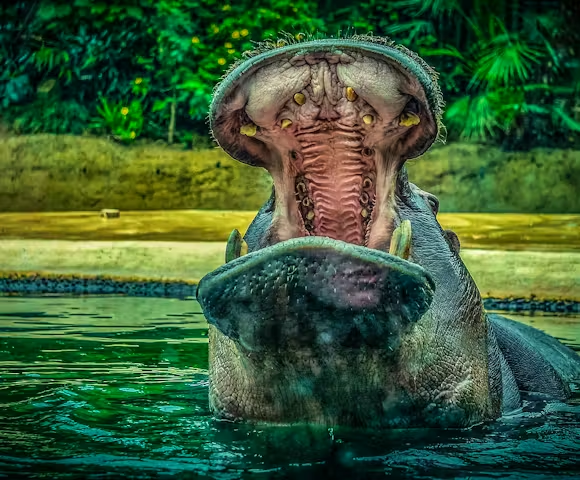
RIVER HIPPOS IN NYERERE NATIONAL PARK
River hippos in Nyerere National Park are one of the fascinating tourist attractions that visitors can experience during a safari in Tanzania. Nyerere National Park is known for its large wilderness areas, beautiful rivers, diverse wildlife, and remarkable natural scenery. Among the animals that make the park special, the hippopotamus stands out because of its strong connection with the park’s rivers and water bodies. Seeing hippos gathered in the water can become one of the most memorable moments of a safari, especially when visitors explore the park by boat.
The hippopotamus spends much of its day in water. Rivers provide an important environment where hippos can stay cool and protect their sensitive skin from the hot African sun. Nyerere National Park contains waterways that support large groups of these impressive animals. Visitors may see hippos resting in shallow water, swimming through deeper sections, opening their enormous mouths, or gathering closely together in groups. Their presence creates a lively atmosphere along the river.
A river safari provides an excellent opportunity to observe hippos from a different perspective. Instead of seeing wildlife from a safari vehicle, visitors can travel along the water and approach the river habitat carefully. The experience allows travellers to appreciate the relationship between the hippos and their aquatic environment. It also creates opportunities to observe other animals and birds that depend on the river.
River hippos are therefore an important part of the Nyerere National Park safari experience. They contribute to the natural character of the waterways and provide visitors with exciting wildlife encounters. For travellers interested in wildlife, photography, nature, and boat adventures, observing hippos in Nyerere can add an unforgettable experience to a Tanzania safari.
Understanding the Hippopotamus in Nyerere National Park
The hippopotamus is one of Africa’s most recognisable large mammals. Its large body, short legs, wide mouth, thick skin, and powerful appearance make it easy to identify. Despite spending much of its time in water, the hippo is not a fish or a marine animal. It is a land mammal that depends heavily on freshwater environments for survival.
Hippos have a close relationship with rivers and other permanent water sources. During the hottest parts of the day, they remain in the water to regulate their body temperature. The water also helps support their heavy bodies. Hippos often gather in groups, creating impressive scenes for visitors watching from a safe distance.
Nyerere National Park provides suitable habitat for hippos because of its river systems and wetlands. The waterways provide places where hippos can rest during the day. As evening approaches, hippos often leave the water to feed on grasses in surrounding areas. They can travel away from the river while grazing and later return to the water.
This behaviour makes hippos interesting animals to observe because their activities change throughout the day. During a boat safari, visitors can often see them resting in the river. During other safari activities, travellers may notice signs of hippo movement around water and grassland areas.
Although hippos look calm when they rest in the water, they remain powerful wild animals. Visitors should always keep a safe distance and follow the instructions of their guides. A professional safari guide understands hippo behaviour and knows how to approach the animals responsibly.
Boat Safari for Viewing River Hippos
A boat safari is one of the best ways to experience river hippos in Nyerere National Park. The waterways provide an opportunity to observe animals from a different perspective. Travellers sit in a boat while a trained guide navigates the river and explains the wildlife and scenery along the way.
As the boat moves through the water, visitors may notice hippos before reaching them. Their eyes, ears, and nostrils can appear above the surface while the rest of their large bodies remain underwater. Sometimes they may remain almost completely submerged and then suddenly rise to breathe.
When a group of hippos gathers in one section of the river, the sight can become impressive. Visitors may see several animals resting close together. Some may open their mouths widely, while others may move through the water or make sounds. These natural behaviours provide interesting moments for wildlife observation and photography.
The boat safari also offers a quiet way to explore the river. The surroundings may include trees, reeds, grasses, birds, crocodiles, and other animals. This means visitors do not need to focus only on hippos. The entire river ecosystem becomes part of the experience.
A guide can explain the behaviour of the hippos and the importance of the river habitat. This makes the boat trip both entertaining and educational.
For travellers who want to experience Nyerere National Park from the water, a boat safari provides an excellent opportunity. The combination of flowing water, wildlife, birds, vegetation, and hippos creates a unique safari experience that differs from a traditional game drive.
Where Hippos Spend Their Time
Hippos depend strongly on permanent water sources. In Nyerere National Park, rivers and other water environments provide important areas where these animals can rest during the day. They often gather in sections where water remains deep enough to support their bodies and provide protection from the heat.
A typical hippo spends many hours in water. Their bodies are well adapted to an aquatic lifestyle. Their eyes, ears, and nostrils sit high on their heads, allowing them to keep much of their body underwater while still breathing and observing their surroundings.
Visitors travelling by boat may notice hippos gathered in calmer areas of the river. They may rest close together and remain relatively still for long periods. This behaviour can make them appear peaceful, although visitors should never underestimate their strength.
The river environment also provides an important connection between hippos and other wildlife. Fish, birds, crocodiles, insects, plants, and other animals all use the same water system. This makes the river an important part of the wider Nyerere ecosystem.
During certain times of the day, visitors may see hippos becoming more active. They may move around the water, interact with other hippos, or prepare to leave the river for grazing. Evening can be an important period because hippos often feed after the temperatures become cooler.
Understanding where hippos spend their time helps visitors appreciate why river conservation matters. Protecting the waterways in Nyerere National Park helps protect the animals that depend on them.
Hippo Behaviour in the River
Hippo behaviour can make a river safari particularly interesting. Although hippos often spend long periods resting in water, they still interact with one another and respond to their surroundings.
Visitors may see hippos opening their mouths widely. This behaviour can look like a yawn, but it also plays a role in communication and displays between animals. The large mouth and strong teeth are among the most striking features of the species.
Hippos can also make different sounds. Visitors may hear grunts, snorts, splashes, and other noises while travelling along the river. These sounds can add excitement to the experience, especially when several animals are gathered together.
The animals also move through the water in interesting ways. Hippos can submerge themselves and move underwater. They may surface again after travelling a short distance. This behaviour can surprise visitors who initially assume that hippos simply remain in one place.
Young hippos can also be fascinating to observe. Calves often remain close to adults, especially in the water. Seeing a mother hippo with a young calf can become a memorable part of a river safari.
However, guides should always maintain an appropriate distance from the animals. Hippos can become aggressive when they feel threatened, especially if a person or boat approaches too closely. Professional guides understand these risks and use safe approaches during wildlife viewing.
Observing natural behaviour without disturbing the animals provides the most rewarding experience. Visitors should avoid loud noises, sudden movements, or attempts to attract the attention of hippos.
River Hippos and the Nyerere Ecosystem
River hippos play an important role in the ecosystem of Nyerere National Park. Their movements between water and land connect aquatic and terrestrial environments. They feed on grasses around the river and return to the water during the day.
Hippos can influence their surroundings through their feeding and movement. Their grazing helps shape vegetation in areas where they regularly feed. Their presence also contributes to nutrient movement between land and water.
The river itself supports a wide range of wildlife. Hippos share the water environment with fish, crocodiles, birds, and other species. The surrounding vegetation also provides food and shelter for many animals.
This makes a hippo viewing experience an opportunity to learn about the wider ecosystem. Visitors can observe how one species interacts with its environment and how different animals depend on the same water resources.
The health of the river system remains essential to the survival of hippos. Clean and reliable water supports their daily activities and provides suitable resting areas. Protecting these waterways therefore contributes to the conservation of the entire ecosystem.
For this reason, visitors can enjoy hippo sightings while also learning about the importance of conservation. A responsible safari encourages travellers to appreciate wildlife without disturbing natural habitats.
Nyerere National Park provides a valuable environment for this type of learning. The river becomes both a wildlife attraction and an outdoor classroom where visitors can observe natural relationships.
Other Wildlife Seen Alongside River Hippos
A river safari in Nyerere National Park rarely focuses on hippos alone. The same waterways attract many other animals and birds. This makes the experience more diverse and exciting.
Crocodiles are among the animals that visitors may encounter around the river. They often rest on riverbanks or remain partly hidden in the water. Seeing crocodiles and hippos within the same river environment demonstrates the variety of wildlife supported by the waterways.
Birdlife also adds colour and activity to the experience. Different birds may gather around the water to feed, rest, or search for fish. Birds can perch on trees along the riverbanks or fly across the water as the boat passes.
Visitors may also see animals approaching the river to drink. During suitable conditions, wildlife such as elephants, antelopes, buffaloes, and other species may appear around water sources. These sightings can create excellent opportunities for photography.
The presence of different wildlife species makes the river safari unpredictable. Visitors never know exactly what they might encounter around the next bend. This sense of anticipation adds to the thrill.
The combination of hippos, crocodiles, birds, and other wildlife makes the waterways of Nyerere one of the most interesting areas to explore. Travellers can enjoy several wildlife experiences during one boat trip.
For visitors who appreciate nature, the river offers an opportunity to observe a complete ecosystem rather than focusing on one species. Hippos become one important part of a much larger wildlife story.
Photography of River Hippos in Nyerere
River hippos provide excellent opportunities for wildlife photography. Their large size and distinctive appearance make them interesting subjects. The river environment also creates attractive backgrounds for photographs.
A boat safari can provide different angles for photography. Visitors may capture hippos resting in the water, swimming, opening their mouths, or interacting with other animals. Photographers can also capture wider images showing hippos within the surrounding river landscape.
Early morning and late afternoon can provide attractive natural light. Softer light can create pleasing images while also highlighting the colours of the water and vegetation.
Travellers should use suitable camera equipment and remain patient. Wildlife photography depends on natural behaviour, so visitors should not attempt to force an animal to move or pose.
Safety should always come first. Photographers must follow their guide’s instructions and keep their equipment secure. Visitors should never lean dangerously over the boat or move closer to hippos to obtain a photograph.
The best photographs often come from simply observing and waiting. A hippo surfacing from the water or opening its mouth can create a memorable image when captured at the right moment.
Photography also allows travellers to remember the experience long after returning home. Images of hippos, rivers, birds, and surrounding landscapes can help tell the story of a Nyerere safari.
Best Time to See River Hippos in Nyerere National Park
Nyerere National Park provides wildlife experiences throughout the year, but the timing of a visit can influence the overall safari experience. River hippos remain an important part of the ecosystem, and visitors can encounter them during boat safaris in different seasons.
The dry season can provide favourable conditions for wildlife viewing because animals often concentrate around reliable water sources. This can make rivers particularly interesting areas for safari activities.
During wetter periods, the landscape can become greener and more vibrant. Rain supports vegetation and can transform the appearance of the surrounding environment. The river and its banks may look especially scenic during this time.
Visitors should also consider the type of safari experience they want. Those interested mainly in wildlife viewing may prefer periods when animals gather around water. Travellers who enjoy lush scenery and birdwatching may appreciate the greener seasons.
Regardless of the travel period, wildlife sightings remain natural and unpredictable. Hippos may gather in different areas depending on water conditions and their daily movements.
A knowledgeable safari company can help travellers select suitable travel dates based on their interests. A well-planned itinerary can also combine boat safaris with game drives and other activities in Nyerere National Park.
The most important thing is to allow enough time to enjoy the river experience without rushing. A relaxed boat safari provides more opportunities to observe wildlife behaviour and appreciate the natural environment.
Safety When Viewing River Hippos
Safety remains an important part of any wildlife experience involving hippos. These animals may appear calm while resting in the water, but they possess great strength and can react quickly when they feel threatened.
Visitors should always remain inside the boat unless the guide gives clear instructions to do otherwise. They should avoid leaning too far over the sides and should never attempt to touch or feed wildlife.
The boat operator should maintain a safe distance from hippos. Experienced guides understand the behaviour of the animals and can identify situations where the boat needs to move away.
Visitors should also avoid loud noises and sudden movements. Keeping calm helps create a more peaceful wildlife-viewing experience.
Following these rules protects both visitors and animals. Responsible tourism means observing wildlife without disturbing its natural behaviour.
A professional guide also provides valuable information about the animals. Visitors can learn how hippos behave, why they remain in the water, and how they interact with their surroundings.
Safety does not reduce the excitement of a hippo encounter. Instead, it allows visitors to enjoy the experience with confidence while respecting the animals and their habitat.
Why Visit River Hippos with Adira Safaris Africa?
At Adira Safaris Africa, we understand that a safari becomes more memorable when travellers have opportunities to experience wildlife in its natural environment. River hippos in Nyerere National Park provide one of the most exciting water-based wildlife experiences in Tanzania.
We can help travellers include a boat safari in their Nyerere National Park itinerary. This gives visitors an opportunity to explore the waterways and observe hippos from a safe distance. The experience can also include opportunities to see crocodiles, birds, elephants, antelopes, and other wildlife around the river.
Our safari planning focuses on creating experiences that match the interests of our clients. Travellers who love wildlife can enjoy extended opportunities for animal viewing. Photographers can benefit from carefully planned activities that provide time to observe and capture wildlife. Nature lovers can learn about the relationship between the river and the surrounding ecosystem.
Nyerere National Park offers a different experience from many other Tanzania safari destinations. Its waterways provide opportunities to explore wildlife from the water, making a boat safari an excellent addition to a traditional game drive.
With Adira Safaris Africa, travellers can experience the beauty of Nyerere while learning about the animals and environments that make the park unique. We aim to provide well-organised safari experiences that allow visitors to enjoy Tanzania’s natural attractions comfortably and responsibly.
A river hippo encounter can become one of the highlights of your safari. Watching these impressive animals resting in the water, hearing their calls, and observing their natural behaviour provides memories that can remain with travellers long after the safari ends.
Conclusion
River hippos in Nyerere National Park are one of the fascinating tourist attractions that make this destination special. These large and powerful animals have a close relationship with the park’s waterways. Rivers provide the water and habitat they need to rest during the day, while the surrounding grasslands provide feeding areas.
A boat safari offers one of the best ways to experience hippos in their natural environment. Travellers can move along the river while observing groups of hippos resting in the water. They may see the animals opening their large mouths, making sounds, swimming, or interacting with one another. The experience becomes even more exciting when crocodiles, birds, elephants, antelopes, and other wildlife appear along the river.
The river also provides an opportunity to understand the wider Nyerere ecosystem. Hippos form part of a complex natural environment where water, vegetation, birds, fish, reptiles, and mammals depend on one another.
For visitors, the experience combines wildlife viewing, adventure, photography, and education. It provides a different perspective from a traditional game drive and allows travellers to explore the park from the water.
Visitors should always follow their guide’s safety instructions and observe hippos from a respectful distance. Responsible wildlife tourism helps protect both visitors and animals while supporting the conservation of Nyerere National Park.
For travellers looking for an exciting Tanzania safari experience, seeing river hippos in Nyerere National Park is an attraction worth including in the itinerary. With Adira Safaris Africa, visitors can discover the fascinating world of hippos and experience the beautiful waterways that support them.