
Mara River in Tanzania
July 22, 2026
Tarangire Swamp
July 23, 2026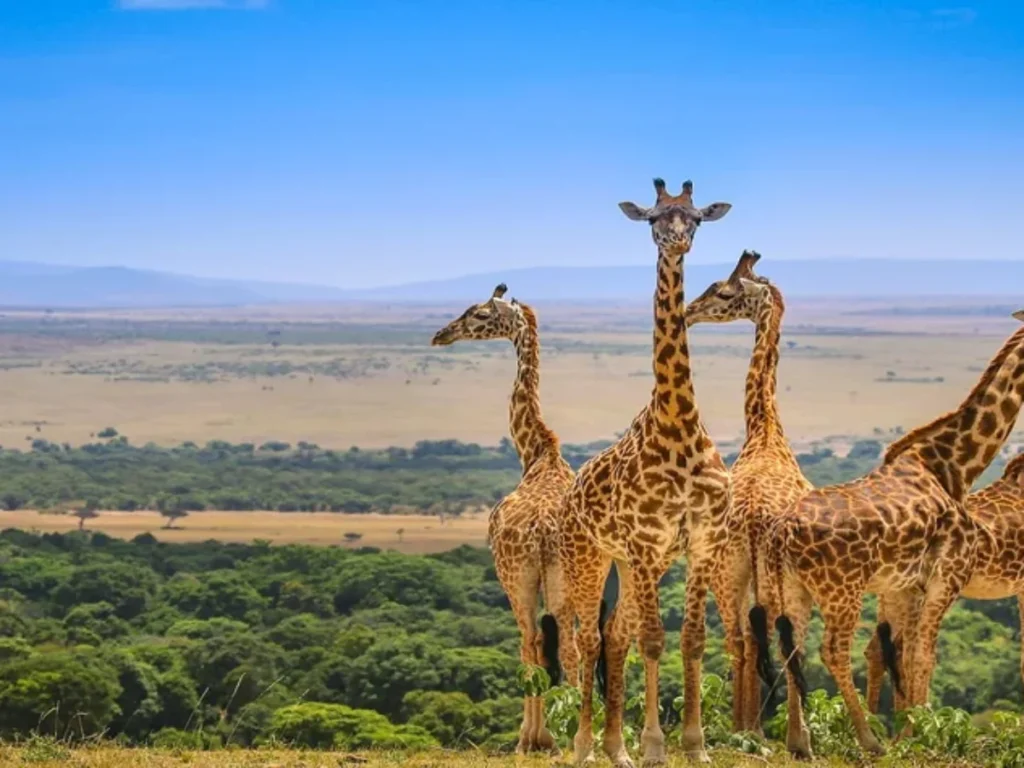
Arusha National Park
Arusha National Park is one of Tanzania’s most beautiful and accessible wildlife destinations. Although it is smaller than many of Tanzania’s famous national parks, it offers an impressive variety of landscapes, wildlife, and outdoor activities. The park lies in northern Tanzania, just a short drive from Arusha City, making it an ideal destination for travelers who want to experience Tanzania’s natural beauty without traveling long distances. Many visitors include Arusha National Park in their safari itinerary before heading to larger parks such as Serengeti National Park, Tarangire National Park, or the Ngorongoro Conservation Area. Its convenient location also makes it an excellent destination for day trips.
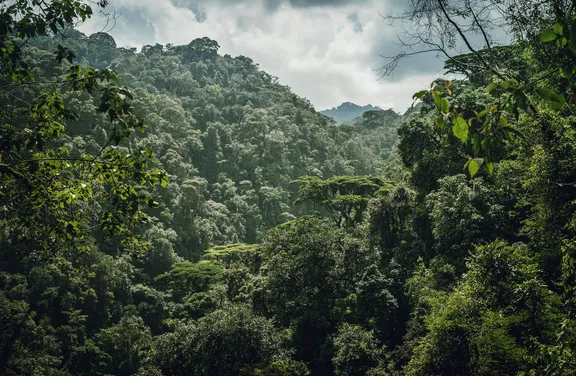
The park covers approximately 552 square kilometers and features an extraordinary mix of habitats. Visitors can explore lush montane forests, open grasslands, sparkling lakes, volcanic craters, swamps, and mountain slopes within a single visit. This remarkable diversity creates an ideal environment for many plant and animal species. Unlike many parks that focus mainly on traditional game drives, Arusha National Park also offers guided walking safaris, canoeing adventures, bird watching, mountain climbing, and scenic photography. Every corner of the park presents a different experience that appeals to nature lovers, photographers, bird enthusiasts, adventure seekers, and families.
One of the unique aspects of Arusha National Park is its peaceful atmosphere. The park receives fewer visitors than Tanzania’s larger safari destinations. This allows tourists to enjoy wildlife viewing without large crowds. Visitors can spend time appreciating the sounds of birds, the beauty of the forests, and the breathtaking views of Mount Meru. The calm environment creates memorable safari moments while offering excellent opportunities to connect with nature.
Adira Safaris Africa recommends Arusha National Park for travelers seeking a combination of wildlife, adventure, and spectacular scenery. Whether you plan a short visit or include it in a longer northern Tanzania safari, this remarkable park promises unforgettable experiences throughout the year.
Location of Arusha National Park
Arusha National Park lies in northern Tanzania, approximately 25 kilometers northeast of Arusha City. The park is one of the easiest national parks in Tanzania to access because it sits close to major transportation routes. Most visitors reach the park within 45 minutes by road from Arusha. The short distance makes it perfect for travelers with limited time as well as those beginning or ending a safari circuit.
The park also lies close to Kilimanjaro International Airport, which serves as the main international gateway for tourists visiting northern Tanzania. Visitors arriving at the airport can reach the park in about one hour. This convenience allows travelers to begin their wildlife adventure almost immediately after landing.
Arusha National Park forms part of Tanzania’s famous Northern Safari Circuit. Many safari packages combine the park with nearby attractions such as Tarangire National Park, Lake Manyara National Park, Ngorongoro Conservation Area, and Serengeti National Park. Its strategic location makes it an excellent starting point for exploring northern Tanzania.
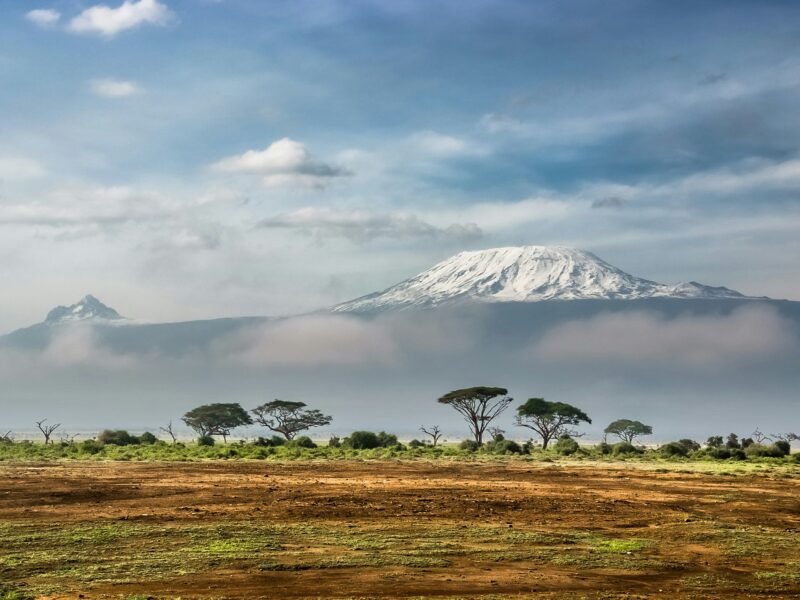
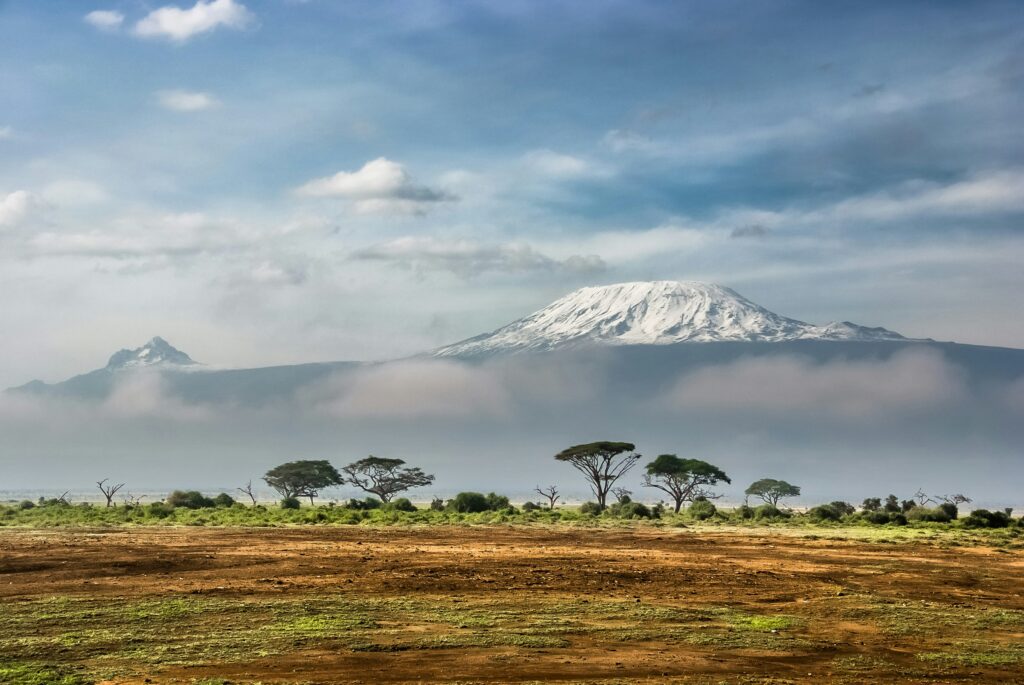
The park surrounds the impressive Mount Meru, Tanzania’s second-highest mountain. Its location near both Mount Kilimanjaro and Mount Meru creates spectacular landscapes throughout the area. On clear days, visitors can even enjoy distant views of Africa’s highest mountain while exploring different sections of the park.
History of Arusha National Park
Arusha National Park has a rich conservation history that reflects Tanzania’s commitment to protecting its natural heritage. The area first received protection in 1960 when it became Ngurdoto Crater National Park. The government later expanded the protected area to include Mount Meru, Momella Lakes, forests, and surrounding wildlife habitats. In 1967, officials officially renamed it Arusha National Park.
Since then, the park has become one of Tanzania’s important conservation areas. Conservation programs continue to protect wildlife, forests, wetlands, and volcanic landscapes. Tanzania National Parks Authority (TANAPA) manages the park and ensures that tourism activities remain environmentally sustainable.
The forests surrounding Mount Meru play a significant role in water conservation. They provide clean water to nearby communities while supporting thousands of plant and animal species. Park authorities continue to work with local communities to promote environmental conservation and responsible tourism.
Today, Arusha National Park stands as an outstanding example of successful wildlife conservation while welcoming visitors from around the world.
Wildlife in Arusha National Park
Arusha National Park supports an impressive variety of wildlife despite its relatively small size. Its diverse ecosystems provide excellent habitats for many mammals, reptiles, amphibians, and insects. The park may not have lions in large numbers like Serengeti, but it offers exceptional opportunities to observe animals in peaceful surroundings.
Large herds of buffalo often graze across the open grasslands. Giraffes feed gracefully on acacia trees and rank among the park’s most photographed animals. Zebras, warthogs, waterbucks, bushbucks, reedbucks, and dik-diks frequently appear along the game drive routes. Visitors also encounter blue monkeys, vervet monkeys, and olive baboons throughout the forests.
One of the park’s biggest highlights is the black-and-white colobus monkey. These striking primates move elegantly through the forest canopy. Their long white tails and black fur create beautiful photographic opportunities. Arusha National Park remains one of the best places in Tanzania to observe these rare monkeys.
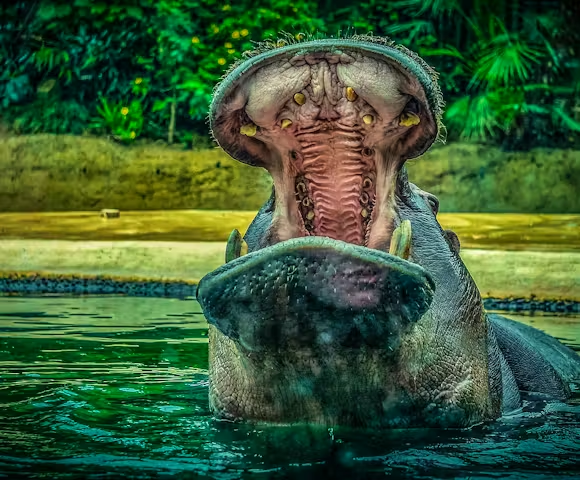
Other mammals include elephants, hippos, spotted hyenas, leopards, serval cats, civets, mongooses, porcupines, and several antelope species. Although predators remain elusive, patient visitors occasionally enjoy remarkable sightings.
The variety of habitats allows visitors to experience different wildlife during one safari. Forests, lakes, swamps, and grasslands each support unique animal communities, making every game drive different from the last.
Bird Watching in Arusha National Park
Arusha National Park is one of Tanzania’s finest birding destinations. More than 400 bird species have been recorded within the park, attracting bird watchers from around the world. The combination of forests, wetlands, lakes, and open plains provides ideal habitats for resident and migratory birds.
The Momella Lakes attract thousands of water birds throughout the year. Visitors often observe flamingos decorating the lake shores with vibrant pink colors. Other common species include pelicans, herons, egrets, Egyptian geese, African fish eagles, kingfishers, cormorants, and sacred ibises.
The montane forests shelter colorful species such as Hartlaub’s turaco, Narina trogon, silvery-cheeked hornbill, crowned eagle, and various sunbirds. Raptors frequently soar above the open plains while woodland birds fill the forests with beautiful songs.
Bird watching remains rewarding throughout the year. However, the best months for migratory bird species generally fall between November and April. During this period, bird diversity reaches its peak, making it an excellent time for photography and wildlife observation.
Mount Meru
Mount Meru dominates the skyline of Arusha National Park and serves as one of Tanzania’s greatest natural landmarks. Rising to 4,566 meters above sea level, it ranks as Tanzania’s second-highest mountain after Mount Kilimanjaro.
The mountain formed through volcanic activity thousands of years ago. Today, its fertile slopes support dense forests filled with wildlife and unique vegetation. Climbers ascend through several ecological zones, beginning with grasslands before reaching forests, moorlands, alpine deserts, and finally the rocky summit.
The climb to Mount Meru usually takes three to four days. Many hikers use it as preparation for climbing Mount Kilimanjaro because it offers similar altitude conditions while being less crowded.
During the trek, visitors may encounter giraffes, buffaloes, monkeys, antelopes, and numerous bird species. Armed park rangers accompany climbing groups during the lower sections because wildlife frequently moves through the forests.
From the summit, hikers enjoy breathtaking sunrise views over Mount Kilimanjaro, Arusha National Park, and the surrounding plains. The mountain remains one of East Africa’s most rewarding trekking destinations.
Momella Lakes
The Momella Lakes form one of Arusha National Park’s most spectacular attractions. These seven shallow alkaline lakes each display different colors due to variations in mineral content and algae growth. Their beautiful shades range from blue and green to turquoise and pink depending on the season.
The lakes attract countless water birds and wildlife throughout the year. Flamingos gather in large numbers to feed in the shallow waters. Buffaloes, giraffes, zebras, waterbucks, and antelopes frequently visit the shores to drink.
The peaceful surroundings make the lakes ideal for photography, bird watching, canoeing, and sightseeing. The reflections of Mount Meru on the calm waters create unforgettable scenic views.
Each lake offers unique ecological conditions, supporting different plant and animal communities. Visitors often spend several hours exploring the various viewpoints while enjoying the quiet beauty of this remarkable landscape.
Ngurdoto Crater
Ngurdoto Crater is another outstanding attraction within Arusha National Park. Often called the “Little Ngorongoro,” this volcanic crater measures about three kilometers across and features steep forested walls surrounding a lush swampy floor.
Although visitors cannot descend into the crater, several viewpoints provide panoramic views across its magnificent landscape. Buffaloes, warthogs, elephants, baboons, and various antelope species frequently inhabit the crater floor.
The surrounding forests support many bird species and monkeys, making the area excellent for wildlife observation. The crater’s dramatic scenery also offers exceptional opportunities for landscape photography.
Tourist Activities in Arusha National Park
Arusha National Park offers numerous activities that allow visitors to experience nature from different perspectives. Game drives remain the most popular activity. Visitors explore forests, lakes, grasslands, and mountain slopes while observing wildlife throughout the park.
Guided walking safaris provide a unique opportunity to explore nature on foot. Professional armed rangers lead visitors safely through selected trails. Walking allows tourists to appreciate smaller wildlife, plants, insects, footprints, and birdlife that often go unnoticed during game drives.
Canoeing on the Momella Lakes offers another exciting adventure. Visitors quietly paddle across calm waters while observing hippos, water birds, giraffes, buffaloes, and beautiful scenery from a completely different angle.
Mount Meru climbing attracts hikers seeking a rewarding trekking experience. Bird watching remains excellent throughout the year, while photography enthusiasts enjoy countless opportunities to capture wildlife and landscapes.
Nature walks, picnics, educational tours, and scenic drives further enrich every visit.
Best Time to Visit Arusha National Park
Arusha National Park welcomes visitors throughout the year. Each season offers different attractions and wildlife experiences.
The dry seasons from June to October and January to February provide excellent wildlife viewing. Animals gather around water sources, vegetation becomes thinner, and roads remain easily accessible.
The rainy seasons between March and May and November to December transform the park into a lush green paradise. Bird watching reaches its peak during these months because migratory birds arrive in large numbers. The landscapes also become especially beautiful for photography.
Travelers should choose their preferred season depending on their interests. Wildlife viewing, bird watching, hiking, and photography remain enjoyable throughout the year.
Why Visit Arusha National Park?
Arusha National Park combines stunning landscapes, rich biodiversity, exciting adventures, and peaceful surroundings within one easily accessible destination. Visitors experience forests, lakes, waterfalls, volcanic craters, mountain trekking, canoeing, walking safaris, and excellent wildlife viewing during a single visit.
The park’s close proximity to Arusha City and Kilimanjaro International Airport makes it ideal for both short excursions and extended safari itineraries. Whether you seek adventure, relaxation, photography, or wildlife encounters, Arusha National Park offers something for every traveler.
Adira Safaris Africa proudly recommends Arusha National Park as one of Tanzania’s hidden safari treasures. Its scenic beauty, diverse wildlife, and unforgettable experiences make it a destination worth exploring on every northern Tanzania safari. Let your journey begin in this remarkable park and discover why Arusha National Park continues to capture the hearts of visitors from around the world.