
Alpine “Ice Roses” in Mount Elgon National Park
June 11, 2026
Branded Mongoose in Mount Kenya National Park
June 12, 2026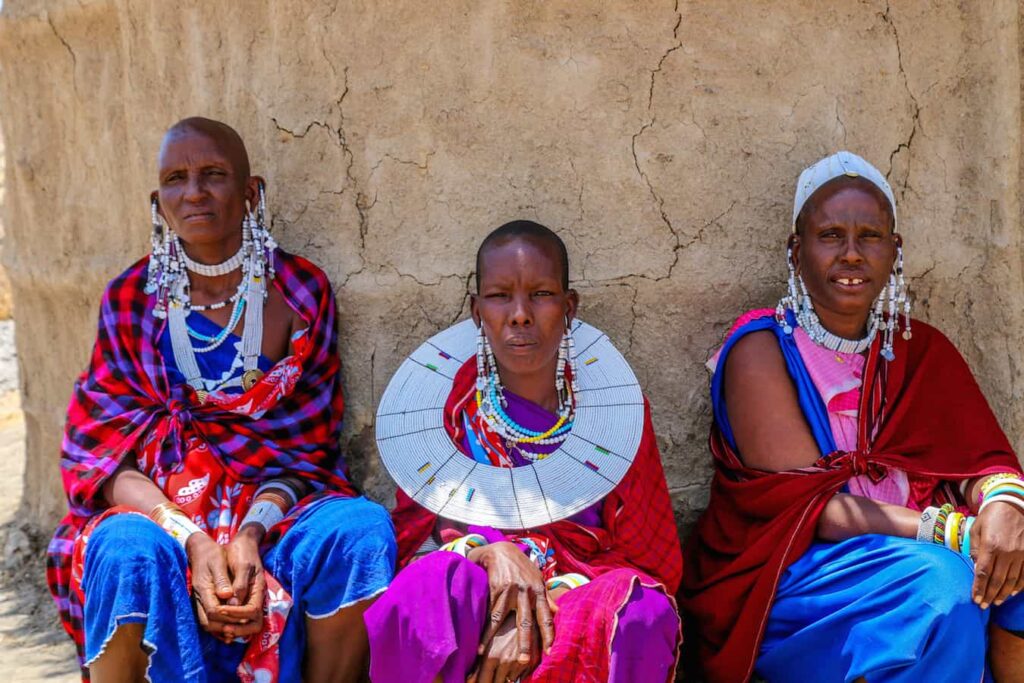
Maasai Manyatta Day Life Experience
A visit to a Maasai Manyatta offers one of the most authentic cultural experiences in East Africa. It gives tourists a unique opportunity to step into the daily life of one of Africa’s most famous indigenous communities. The Maasai people have preserved their traditions, customs, and way of life for centuries despite the rapid modernization taking place around them. Their vibrant culture, colorful attire, and strong connection to their ancestral heritage continue to attract visitors from around the world.
The Maasai Manyatta Day Life experience allows tourists to witness firsthand how the Maasai people live, work, interact, and maintain their cultural identity. Unlike viewing wildlife from a safari vehicle, this cultural encounter creates a personal connection between visitors and the local community. Tourists gain a deeper understanding of Maasai traditions while participating in activities that form part of everyday life within the village.
The experience goes beyond simple observation. Visitors interact with Maasai families, learn about their social structure, explore traditional homes, and observe daily activities that have sustained the community for generations. Every moment spent in a Maasai Manyatta reveals valuable insights into a culture that remains deeply rooted in its traditions.
For travelers seeking meaningful cultural encounters, the Maasai Manyatta Day Life experience provides an unforgettable journey into the heart of Maasai heritage. It combines education, entertainment, and cultural appreciation in a way that enriches any safari adventure. Adira Safaris Africa proudly offers visitors the chance to experience this remarkable aspect of East African culture while creating memories that last a lifetime.
Understanding the Maasai Community
The Maasai are among the most recognizable ethnic groups in East Africa. They primarily inhabit regions of Kenya and Tanzania, especially areas surrounding major wildlife conservation zones. Their distinctive red clothing, intricate beadwork, traditional dances, and pastoral lifestyle make them one of the most celebrated cultures on the African continent.
For centuries, the Maasai have maintained a close relationship with nature. Livestock forms the foundation of their economy, social status, and cultural identity. Cattle hold special significance within Maasai society and influence many aspects of daily life. Herding remains a central activity, and families often measure wealth according to the number of livestock they own.
A Maasai Manyatta serves as a traditional homestead where extended families live together. These settlements consist of several houses arranged in a circular pattern and enclosed by protective fences. The layout reflects the community’s emphasis on unity, security, and cooperation.
Tourists visiting a Maasai Manyatta gain valuable insights into how cultural traditions shape daily activities. Community members willingly share stories about their history, customs, and values. These interactions help visitors appreciate the resilience and adaptability that have allowed the Maasai culture to survive through generations.
The Maasai continue to balance tradition with modern influences. While some aspects of life have evolved, many cultural practices remain intact. This commitment to preserving their heritage makes the Maasai Manyatta Day Life experience particularly fascinating for travelers interested in cultural tourism.
Visitors leave with a deeper appreciation for the richness of Maasai traditions and the important role they play in East Africa’s cultural landscape.
Arrival and Welcome at the Maasai Manyatta
The Maasai Manyatta Day Life experience often begins with a warm and energetic welcome from community members. As tourists approach the village, they immediately notice the vibrant colors of traditional Maasai clothing and the lively atmosphere created by singing and dancing.
The welcoming ceremony reflects the hospitality that characterizes Maasai culture. Community members gather to greet visitors with traditional songs that celebrate friendship, unity, and cultural pride. Men and women often perform dances that showcase their heritage while inviting guests to participate.
One of the highlights of the welcome ceremony is the famous Maasai jumping dance. This traditional performance demonstrates strength, endurance, and skill. Tourists enjoy watching the energetic display and often join the dancers for photographs and cultural interaction.
The welcoming experience creates an immediate sense of connection between visitors and the community. It helps break cultural barriers and encourages meaningful engagement throughout the visit. Tourists quickly feel comfortable asking questions and learning about daily life within the village.
Guides and community elders usually provide an introduction to the history of the Manyatta. They explain the significance of various cultural practices and offer insights into how the community functions. This introduction lays the foundation for a deeper understanding of the Maasai way of life.
The warm reception leaves a lasting impression on visitors and sets the stage for an enriching cultural experience that extends far beyond sightseeing.
Exploring Traditional Maasai Homes
One of the most fascinating aspects of the Maasai Manyatta Day Life experience involves exploring traditional Maasai homes. These houses reflect generations of indigenous knowledge and practical design adapted to local environmental conditions.
Women play a central role in constructing Maasai homes. They use locally available materials such as mud, sticks, grass, and cow dung to build durable structures that provide protection from weather conditions. The construction process demonstrates remarkable resourcefulness and sustainability.
Tourists entering a traditional Maasai home gain firsthand insight into daily family life. The interior often contains designated spaces for cooking, sleeping, and storing household items. Although the structures appear simple from the outside, they serve important functional purposes that support the family’s lifestyle.
Community members explain how they maintain and repair the homes using traditional techniques passed down through generations. Visitors learn about the significance of family roles and responsibilities within the household.
Exploring the homes also reveals how the Maasai have adapted to life in remote areas while maintaining strong cultural traditions. The experience highlights the importance of community cooperation and self-sufficiency.
Many tourists find this aspect of the visit particularly enlightening because it offers an authentic glimpse into everyday living conditions. It challenges common assumptions about modern lifestyles and demonstrates the effectiveness of traditional knowledge systems.
The opportunity to enter and explore Maasai homes creates a deeper understanding of the community and enhances the overall cultural experience.
Daily Activities Within the Maasai Manyatta
Daily life within a Maasai Manyatta revolves around activities that support the community’s pastoral lifestyle. Tourists enjoy observing these routines and learning how each activity contributes to the well-being of the village.
Livestock management forms a major part of everyday life. Men and boys often spend their days herding cattle, goats, and sheep to grazing areas. These animals provide food, income, and social status within the community. Visitors learn about traditional livestock management practices and the important role animals play in Maasai culture.
Women undertake various responsibilities that help sustain family life. They prepare meals, collect water, care for children, maintain homes, and create beautiful beadwork. Tourists frequently observe these activities and gain insights into the skills required for daily living.
Children also contribute to community life through age-appropriate responsibilities. They assist with household tasks, care for smaller livestock, and participate in cultural learning activities. Their involvement helps preserve traditional knowledge and ensures cultural continuity.
Visitors often appreciate the strong sense of cooperation that exists within the community. Family members support one another and work together to meet daily needs. This collective approach strengthens social bonds and promotes community resilience.
The opportunity to witness these daily activities provides a realistic and respectful understanding of Maasai life. It allows tourists to see culture in action rather than simply learning about it through stories or exhibits.
Traditional Maasai Crafts and Beadwork
The Maasai are renowned for their exceptional craftsmanship, particularly their intricate beadwork. During a visit to a Maasai Manyatta, tourists often have the opportunity to observe artisans creating beautiful handmade items.
Beadwork carries deep cultural significance within Maasai society. Different colors and patterns communicate messages related to age, social status, marital status, and community identity. Every piece tells a story and reflects cultural traditions that have endured for generations.
Women typically lead bead-making activities. They demonstrate remarkable skill and creativity while crafting necklaces, bracelets, earrings, belts, and decorative ornaments. Tourists enjoy watching the process and learning about the meaning behind various designs.
The craftsmanship involved requires patience, precision, and artistic talent. Visitors gain a greater appreciation for the time and effort invested in creating each piece. Many choose to purchase handmade crafts as meaningful souvenirs that support local livelihoods.
These interactions also create opportunities for cultural exchange. Tourists ask questions, learn about traditional techniques, and engage directly with community members. Such experiences foster mutual respect and understanding.
The vibrant colors and intricate patterns of Maasai beadwork reflect the beauty and richness of Maasai culture. They serve as lasting reminders of a memorable cultural encounter within the Manyatta.
Cultural Learning and Storytelling
Storytelling remains an important tradition within Maasai society. Elders use stories to pass knowledge, values, and cultural history from one generation to the next. During a Maasai Manyatta Day Life experience, tourists often gather to listen to these fascinating narratives.
Stories cover a wide range of topics including community origins, historical events, wildlife encounters, cultural practices, and moral lessons. Through storytelling, visitors gain deeper insights into Maasai beliefs and worldviews.
Community elders play a vital role in preserving cultural knowledge. Their wisdom helps maintain continuity between past and present generations. Tourists often find these conversations highly educational and inspiring.
The storytelling sessions encourage meaningful interaction and cultural appreciation. Visitors learn about the challenges and achievements that have shaped Maasai society over time. They also gain a better understanding of the values that guide community life.
These cultural exchanges enrich the visitor experience and create lasting memories. They transform a simple village visit into a journey of discovery and learning.
The Importance of Maasai Cultural Tourism
Cultural tourism plays an important role in supporting Maasai communities and preserving traditional heritage. Responsible tourism creates economic opportunities while encouraging cultural conservation.
Revenue generated through village visits helps support education, healthcare, community development projects, and household incomes. This financial support strengthens local livelihoods and promotes sustainable development.
Tourists benefit by gaining authentic cultural experiences that deepen their understanding of East Africa. Rather than observing culture from a distance, they engage directly with community members and participate in meaningful exchanges.
Cultural tourism also encourages younger generations to value and preserve traditional practices. As visitors express interest in Maasai heritage, community members gain additional motivation to maintain their customs and traditions.
The success of Maasai cultural tourism demonstrates how tourism can create positive outcomes for both visitors and host communities. It promotes cultural pride while fostering mutual respect and understanding.
Conclusion
The Maasai Manyatta Day Life experience offers far more than a cultural excursion. It provides an authentic journey into one of Africa’s most iconic communities. Visitors witness daily activities, explore traditional homes, learn about livestock management, admire beautiful beadwork, and engage with community members in meaningful ways.
Every aspect of the experience reveals the strength, resilience, and cultural richness of the Maasai people. Tourists gain valuable insights into traditions that have endured for centuries while developing a deeper appreciation for East Africa’s diverse cultural heritage.
For travelers seeking memorable cultural encounters, the Maasai Manyatta Day Life experience stands among the most rewarding activities available during a safari. It combines education, entertainment, and cultural immersion in a way that leaves a lasting impact.
Adira Safaris Africa proudly invites visitors to explore the fascinating world of the Maasai and discover the beauty of their traditions through an unforgettable Maasai Manyatta Day Life experience.