
Ewaso Nyiro River Crocodiles
June 10, 2026
Aberdare Waterfall Mist Bow
June 11, 2026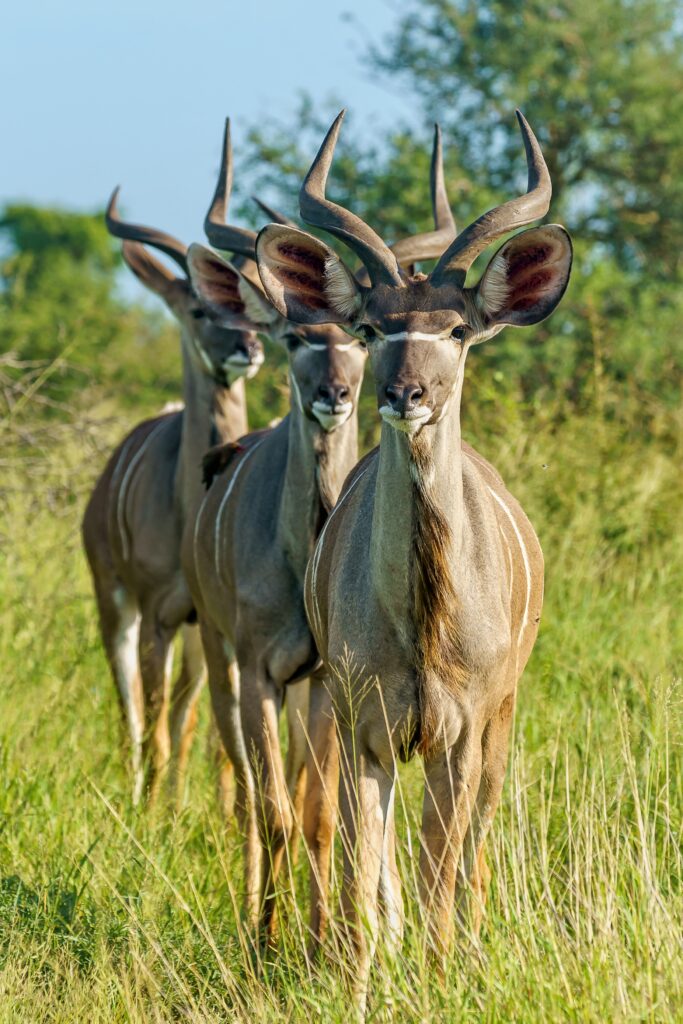
Bongo Antelopes in Aberdare
The bongo antelope is one of the most remarkable wildlife species found in the Aberdare region of Kenya. Known for its striking appearance, elusive behavior, and rarity, the bongo stands among Africa’s most fascinating antelopes. Wildlife enthusiasts, conservationists, photographers, and safari travelers often consider sightings of this magnificent animal a special privilege. Within the dense forests of the Aberdare ecosystem, the bongo antelope continues to capture the attention of visitors seeking unique wildlife experiences away from the traditional savannah safari routes.
The Aberdare region provides one of the last strongholds for the mountain bongo, a rare subspecies that exists only in Kenya. This antelope has become an important symbol of wildlife conservation due to its declining population and restricted distribution. Unlike many antelope species that inhabit open grasslands, bongos prefer dense forests where thick vegetation offers protection, shelter, and food. Their secretive nature makes them difficult to observe, adding excitement and exclusivity to every sighting.
Visitors who explore the Aberdare ecosystem often hope to encounter these beautiful animals in their natural habitat. The experience of seeing a bongo moving silently through the forest creates unforgettable memories. Its rich chestnut coat, bright white stripes, and elegant spiral horns make it one of the most visually striking mammals in Africa. Every feature reflects the unique adaptations that help the species survive in forest environments.
The presence of bongo antelopes enhances the ecological significance of Aberdare. Their survival highlights the importance of preserving Kenya’s montane forests and protecting habitats that support rare wildlife species. For travelers interested in conservation, biodiversity, and authentic wildlife encounters, the bongo antelope represents one of the most rewarding attractions within the Aberdare region.
Understanding the Bongo Antelope
The bongo antelope belongs to the forest antelope family and ranks among the largest antelope species in Africa. Despite its impressive size, the bongo moves with remarkable grace and agility through dense vegetation. This ability allows it to navigate thick forests where many larger animals struggle to move efficiently.
The most distinctive feature of the bongo antelope is its striking coloration. Its reddish-brown or chestnut coat displays a series of vertical white stripes that run along the body. These markings help break up the animal’s outline within forest vegetation, providing effective camouflage against predators. The contrast between the dark coat and bright stripes creates a unique appearance that immediately attracts attention.
Both male and female bongos possess long spiral horns, making them one of the few antelope species where both sexes carry horns. These horns can grow to impressive lengths and serve various purposes, including defense and social interactions. Their elegant shape adds to the beauty and uniqueness of the species.
Bongos primarily feed on leaves, shoots, bark, fruits, and other plant materials found within forest habitats. They spend much of their time searching for nutritious vegetation while remaining hidden among dense undergrowth. Their feeding habits contribute to seed dispersal and help maintain ecological balance within the forest ecosystem.
Although bongos are large animals, they rarely attract attention because of their cautious behavior. They often remain active during the early morning, late afternoon, and nighttime hours when conditions are cooler and safer. This behavior further contributes to their reputation as one of Africa’s most elusive antelopes.
The rarity of the mountain bongo has increased global interest in the species. Wildlife enthusiasts frequently travel to Aberdare specifically to learn about and hopefully observe these extraordinary animals within their natural environment.
Why Aberdare Is an Important Habitat for Bongo Antelopes
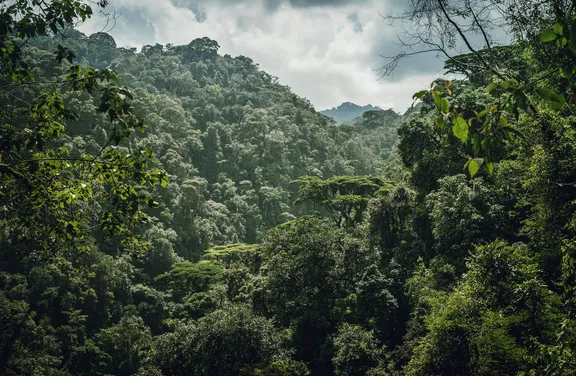
The Aberdare ecosystem offers ideal conditions for the survival of bongo antelopes. Its extensive forests, cool climate, reliable water sources, and abundant vegetation create a suitable environment for this rare species. These factors have allowed the region to become one of the most important habitats for mountain bongos in the world.
Dense forest cover provides essential protection from predators and human disturbance. Bongos depend on thick vegetation for security because their survival relies heavily on remaining concealed. The forests of Aberdare contain numerous areas where the animals can feed, rest, and move safely throughout their territory.
The region’s high altitude contributes to favorable environmental conditions. Cooler temperatures support the growth of diverse plant species that form an important part of the bongo diet. The abundance of vegetation ensures that food remains available throughout much of the year, helping maintain healthy populations.
Water availability also plays a significant role in supporting bongo populations. Aberdare receives substantial rainfall, which sustains rivers, streams, and wetlands throughout the ecosystem. These water sources support lush vegetation while providing essential hydration for wildlife.
The ecological diversity of Aberdare benefits many species beyond the bongo antelope. The region supports elephants, buffaloes, giant forest hogs, leopards, hyenas, primates, and numerous bird species. Together, these animals form a complex ecosystem where each species contributes to environmental stability and biodiversity.
Conservation efforts within Aberdare have strengthened habitat protection and increased opportunities for wildlife recovery. The preservation of forest ecosystems remains essential for ensuring the long-term survival of bongo antelopes and maintaining the region’s ecological integrity.
The Rare Status of the Mountain Bongo
The mountain bongo ranks among the rarest antelope species in the world. Its limited distribution and declining population have made conservation efforts increasingly important. Wildlife organizations, conservation agencies, and government institutions continue to work together to protect this unique species and improve its future prospects.
Several factors have contributed to the rarity of mountain bongos. Habitat loss has reduced the amount of suitable forest available for the species. Human activities, including settlement expansion and environmental degradation, have historically placed pressure on bongo populations. These challenges have led to significant declines in numbers over time.
Poaching has also affected bongo populations in certain areas. Although conservation measures have reduced many threats, continued vigilance remains necessary to ensure the species receives adequate protection. Effective law enforcement and community engagement play important roles in safeguarding wildlife habitats.
The rarity of mountain bongos increases their value as a conservation flagship species. Their protection benefits entire ecosystems because efforts to preserve bongo habitats also support countless other plants and animals. As a result, conservation initiatives focused on bongos contribute to broader biodiversity protection goals.
Many wildlife researchers monitor population trends and study bongo behavior to improve conservation strategies. These efforts provide valuable information that guides management decisions and helps identify opportunities for habitat restoration and population recovery.
The mountain bongo’s status as one of Africa’s rarest antelopes continues to inspire conservation action. Every successful conservation initiative strengthens the prospects for future generations to experience this extraordinary species in the wild.
Wildlife Viewing Opportunities and Safari Experiences
Observing a bongo antelope in its natural habitat represents one of the most rewarding wildlife experiences available in Kenya. Due to their rarity and secretive behavior, sightings often create excitement among safari travelers and wildlife photographers. Every encounter feels special because opportunities to observe these animals remain relatively uncommon.
Guided safaris within the Aberdare region offer visitors the best chance of locating bongos. Experienced guides understand the species’ behavior, habitat preferences, and movement patterns. Their knowledge increases the likelihood of sightings while providing valuable educational insights into bongo ecology and conservation.
Wildlife viewing in Aberdare differs from traditional savannah safaris. The dense forests create an atmosphere of exploration and discovery. Visitors often spend time scanning vegetation, listening for movement, and searching for signs of wildlife activity. This immersive experience enhances the sense of adventure and connection with nature.
Photographers appreciate the challenge and reward associated with capturing images of bongo antelopes. The species’ beautiful coloration and forest surroundings create exceptional photographic opportunities. Successful photographs often become treasured memories of a unique safari experience.
Beyond the bongo itself, visitors enjoy the diverse wildlife and scenic landscapes that characterize the Aberdare ecosystem. Waterfalls, forests, rivers, and mountain scenery contribute to the overall appeal of the destination. These natural attractions complement wildlife viewing experiences and create well-rounded safari adventures.
The opportunity to encounter one of Africa’s rarest antelopes makes Aberdare a destination of special significance for travelers interested in conservation-focused tourism and unique wildlife experiences.
Conservation Efforts for Bongo Antelopes in Aberdare
Conservation remains essential for the long-term survival of bongo antelopes in Aberdare. Various organizations and wildlife authorities continue to implement programs aimed at protecting habitats, increasing populations, and reducing threats to the species. These initiatives play a critical role in ensuring the future of one of Kenya’s most endangered mammals.
Habitat protection forms the foundation of conservation efforts. Maintaining healthy forest ecosystems provides bongos with the resources necessary for survival. Protected areas help safeguard critical habitats while reducing human pressures that could negatively impact wildlife populations.
Research and monitoring programs contribute valuable information about population dynamics, habitat use, and behavioral patterns. Scientists use this data to develop effective conservation strategies and measure the success of ongoing initiatives. Continuous monitoring helps identify emerging challenges before they become serious threats.
Community involvement also strengthens conservation outcomes. Local communities benefit from wildlife tourism and conservation programs that promote sustainable livelihoods. When communities recognize the value of protecting wildlife, they become important partners in conservation efforts.
Captive breeding and reintroduction programs have further supported mountain bongo conservation. These initiatives aim to increase population numbers and strengthen genetic diversity. Combined with habitat protection, such programs offer hope for long-term species recovery.
The dedication of conservation organizations, researchers, park authorities, and local communities continues to improve the outlook for mountain bongos. Their collaborative efforts demonstrate the importance of protecting rare wildlife species and preserving natural ecosystems.
Conclusion
The bongo antelope stands as one of the most extraordinary wildlife attractions in the Aberdare region. Its striking appearance, elusive behavior, and rare status make it one of Africa’s most sought-after antelope species. For visitors exploring the forests of Aberdare, the possibility of encountering a mountain bongo adds excitement and significance to every safari experience.
The dense forests of Aberdare provide a critical refuge for this endangered species. These habitats support not only bongos but also a rich diversity of wildlife that contributes to the ecological importance of the region. Continued conservation efforts remain essential for protecting these valuable ecosystems and ensuring the survival of future bongo populations.
For wildlife enthusiasts, photographers, researchers, and nature lovers, the mountain bongo represents far more than a rare animal. It symbolizes the success of conservation efforts and highlights the importance of preserving Africa’s natural heritage. A sighting of this magnificent antelope remains one of the most memorable wildlife experiences that Kenya has to offer.