
ICE Caves on Mount Rwenzori
May 2, 2026
Infant Gorillas in Bwindi Impenetrable Forest
May 3, 2026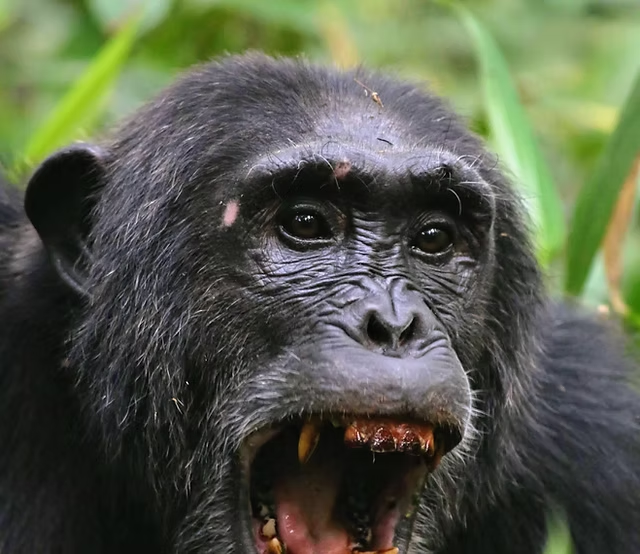
Chimp Morning Chorus in Kibale National Park
The chimp morning chorus in Kibale National Park is one of the most thrilling wildlife sounds in Africa. It is a powerful experience that allows visitors to hear the forest come alive as chimpanzees wake up at dawn. At around 6:00 am, the silence of the night changes into loud calls, screams, hoots, panting sounds, and tree movement from different parts of the forest. This natural performance creates an unforgettable start to the day for travelers who love primates and nature.
Kibale National Park is Uganda’s leading chimpanzee destination. It is located in western Uganda and protects one of the richest tropical rainforests in East Africa. The park is famous for its high concentration of primates and especially for its habituated chimpanzee communities. It is home to over 1,500 chimpanzees, making it one of the best places in Africa to see them in the wild.
One of the most special moments in Kibale happens early in the morning when tourists listen to over 150 chimps wake up screaming at 6 am. These calls are not random noise. They are a form of communication used to reconnect, establish location, express energy, and begin the day’s social activity. Hearing many chimpanzees calling at once creates a dramatic and emotional forest atmosphere.
The chimp morning chorus gives travelers more than a wildlife sighting. It offers a sensory connection to the rainforest. Instead of only watching animals, visitors feel the sound, rhythm, and movement of a living ecosystem.
Adira Safaris Africa proudly offers guided chimpanzee safaris in Kibale National Park. We help travelers experience this extraordinary dawn event through well-planned itineraries, expert guidance, and comfortable safari arrangements.
What Is the Chimp Morning Chorus
The chimp morning chorus is the burst of vocal activity that happens when chimpanzees wake up and begin their day. In Kibale National Park, this often starts around sunrise, especially near 6:00 am. The calls can include loud screams, pant hoots, grunts, barks, and drumming sounds made on tree trunks or branches.
Chimpanzees are highly social animals. They live in communities with complex relationships and daily movement patterns. When they wake up, individuals need to reconnect with others, locate group members, express dominance, and energize social bonds. Their voices carry through the forest and can travel long distances.
In Kibale, tourists can hear over 150 chimps wake up screaming at 6 am, creating one of the most dramatic primate experiences in Africa. The sound builds in waves. One chimp starts calling. Others answer from nearby trees or distant forest sections. Soon the whole area feels alive with movement and sound.
This chorus is exciting because it is natural and unscripted. No two mornings are exactly the same. Some days the calls are short and sharp. Other mornings they continue for longer periods with intense exchanges between different groups or individuals.
Visitors often describe the experience as emotional, wild, and unforgettable. The sound reminds people that the forest belongs to living communities with intelligence, personality, and social structure.
Adira Safaris Africa recommends this experience for wildlife lovers, photographers, birders, researchers, and travelers who want more than a standard game drive. The chimp morning chorus offers a deeper connection with Uganda’s rainforest life.
Why Kibale National Park Is the Best Place for This Experience
Kibale National Park is the best destination in Uganda for chimpanzee encounters. It protects a large tropical forest ecosystem that supports one of the highest densities of primates in Africa. This makes it ideal for travelers who want close and reliable chimpanzee experiences.
The park covers a rich mix of evergreen forest, swamp areas, grassland edges, and riverine habitats. These environments provide food, nesting areas, and movement routes for chimpanzees throughout the year. Fruit trees and seasonal resources help sustain large communities.
Kibale is home to over 1,500 chimpanzees, and several groups are habituated for tourism and research. Habituation means the chimps have become comfortable with human presence under controlled and respectful conditions. This allows visitors to observe them naturally while following park rules.
The chance to hear over 150 chimps wake up screaming at 6 am is especially impressive because of the park’s healthy chimp population. Few forests offer this level of density and vocal energy in one accessible tourism setting.
Kibale also has excellent tourism infrastructure. Visitors can stay in quality lodges, reach briefing centers easily, and combine chimp trekking with nearby attractions such as Bigodi Wetland Sanctuary, Queen Elizabeth National Park, and Semuliki.
Experienced Uganda Wildlife Authority rangers and trackers guide visitors safely through the forest. Their knowledge adds meaning to every walk and helps guests understand chimp behavior.
Adira Safaris Africa chooses Kibale for travelers who want the best chimpanzee safari in Uganda. It remains the top destination for those seeking action, sound, movement, and meaningful primate encounters.
What Tourists Experience at 6 AM
The most exciting part of this safari happens before many people normally start the day. Guests wake early, prepare quietly, and move toward the forest while darkness begins to fade. The air feels cool, fresh, and still. Birds may start calling softly in the distance.
Then the forest changes.
At around 6:00 am, tourists listen to over 150 chimps wake up screaming. Sharp calls echo through the trees. Pant hoots rise and fall. Branches shake. Leaves rustle. Some chimps move from nesting sites while others answer from deeper in the forest.
This moment often surprises first-time visitors. The power of the sound feels much larger than expected. Because the calls come from different directions, guests feel surrounded by the living energy of the forest.
As daylight grows, guides begin following the sounds and movement. Visitors may soon spot chimpanzees climbing down from trees, grooming, feeding, chasing one another, or moving across the canopy.
The morning chorus is more than noise. It is the daily opening of chimp life. It marks the shift from rest to action, from silence to movement, and from darkness to daylight.
Many travelers say this is one of the most authentic wildlife moments they have ever experienced. It does not feel staged or controlled. It feels raw, natural, and real.
Adira Safaris Africa helps guests prepare for early starts and forest conditions so they can fully enjoy this special dawn event in comfort and confidence.
Chimpanzee Behavior During the Morning Hours
Morning is one of the best times to observe chimpanzees because they are active and social. After waking, they often reconnect through vocal calls and physical contact. Grooming is common and helps strengthen bonds within the group.
Some chimps begin feeding soon after sunrise. They search for fruits, leaves, seeds, insects, or bark depending on the season. Others move quickly through trees or along the forest floor to join different subgroups.
Dominant males may display strength through loud calls, branch dragging, or fast movement. Mothers stay close to infants and help them navigate trees safely. Younger chimps often play, chase, or practice climbing skills.
Because tourists hear over 150 chimps wake up screaming at 6 am, they witness the start of these natural routines. This gives the experience greater depth than seeing chimps later in the day.
Morning light also improves photography. Soft light filters through the canopy and can create beautiful images when conditions allow.
Adira Safaris Africa recommends carrying binoculars, a camera with good zoom, neutral clothing, and comfortable hiking shoes for the best experience.
Best Time to Visit Kibale for the Morning Chorus
The chimp morning chorus can happen throughout the year because chimpanzees live in Kibale year-round. However, weather and fruit availability may affect movement patterns and trekking comfort.
The drier months from June to August and December to February often provide easier forest walking conditions. Trails may be less muddy, and access to park areas can feel smoother.
The wetter months from March to May and September to November bring lush forest scenery and rich birdlife. Rain may create more challenging trails, but the forest feels vibrant and alive.
Because this activity depends on early starts and guided access, advance planning is important. Permits for chimp trekking and chimp habituation experiences can become limited during peak travel periods.
Adira Safaris Africa advises early booking to secure permits, quality lodges, and smooth transport connections.
Why Choose Adira Safaris Africa
Adira Safaris Africa creates unforgettable primate and wildlife journeys across Uganda. We understand how to combine comfort, timing, and authentic experiences for our guests.
We arrange chimp permits, lodge bookings, transport, professional guides, and custom itineraries. Travelers can combine Kibale with gorilla trekking in Bwindi, wildlife safaris in Queen Elizabeth National Park, or cultural experiences across Uganda.
Our team values professional service, honest advice, and memorable travel moments. We know how important details are when planning a safari.
Choosing Adira Safaris Africa means choosing trusted local expertise and personalized care.
Conclusion
The chimp morning chorus in Kibale National Park is one of Uganda’s most exciting wildlife experiences. At dawn, tourists listen to over 150 chimps wake up screaming at 6 am, turning the quiet forest into a stage of sound and movement.
This rare moment reveals the intelligence, energy, and social life of chimpanzees in the wild. It offers more than a sighting. It offers connection to the heartbeat of the rainforest.
Adira Safaris Africa invites you to experience this unforgettable dawn adventure in Kibale National Park. Book your Uganda chimpanzee safari with us and hear the forest wake up with one of nature’s greatest choruses